I’m supposed to be working on my paper due tomorrow, but I turn on my phone and go on Facebook. As I scroll through my feed, the first thing I see is: 5 Make-Ahead Dinners That Will Make You A Champion At Life. Like all other freshmen, eating Annenberg food every day has become more than a little tiring. A small hope burgeons in my chest – maybe I’ll finally be able to eat something else? – and I click on the link.
But I read the first line of the recipe – “Heat olive oil in a large saucepan or skillet” – and the sensation of crushing disappointment hits. Heat? As in fire? As in one-of-my-biggest-phobias-in-the-world?
Ramen, AKA my final attempt at cooking
I love food. And I especially love good food. Alas, I can’t cook because 1. I’m deathly afraid of knives and fire, and 2. I gave up on the culinary arts after I caused a small fire while trying to make instant ramen. So recipes like 20 Fast Dinner Recipes or 27 Healthy Recipes You Can Make in Your Dorm Room are a bit…beyond my capabilities.
Tonight’s dinner at the Berg, featuring Beef Meatballs in Marinara Sauce, Spinach Ricotta Casserole, Steamed Green beans, Toasted Farro and Barley, and Pepper Pot Soup
Herein lies the problem: I love good food, but I can’t cook to save my life, and Annenberg food isn’t always fulfilling. Thankfully, my mom makes amazing food, so I survived my first 19 years of life. But unfortunately, sending over food from California even once a week, let alone every day, is a bit unrealistic. And eating takeout everyday is very tempting – if only I had a bottomless wallet.
A closeup of the Pepper Pot Soup
I thought about this long and hard before college started, and after hours of pondering, I finally came up with a solution: Join a food blog! Getting subsidized to eat awesome restaurant food as long as I write a review is an offer I absolutely cannot refuse.
Walking to the Institute of Contemporary Art (ICA), I wonder if I’ve been sent to cover a latte class or to some obscure hipster cult meeting. It’s isolated, standing alone on the water overlooking the boats in the harbor. I walk in desperately in need of some coffee, paying no heed to the careful foam designs that some people take years to master.
But that’s precisely what I went to the ICA to learn. As soon as I entered the room, the sweet but somewhat bitter smell overwhelmed me – the good type of overwhelmed, not the too many p-sets and too little time overwhelmed – and I knew I was in a place where the coffee and the vibes were just too good to pass up. Black Magic Coffee Company, a local coffee stand that frequents farmers markets and caters locally (Harvard is missing a major opportunity there), was the main event.
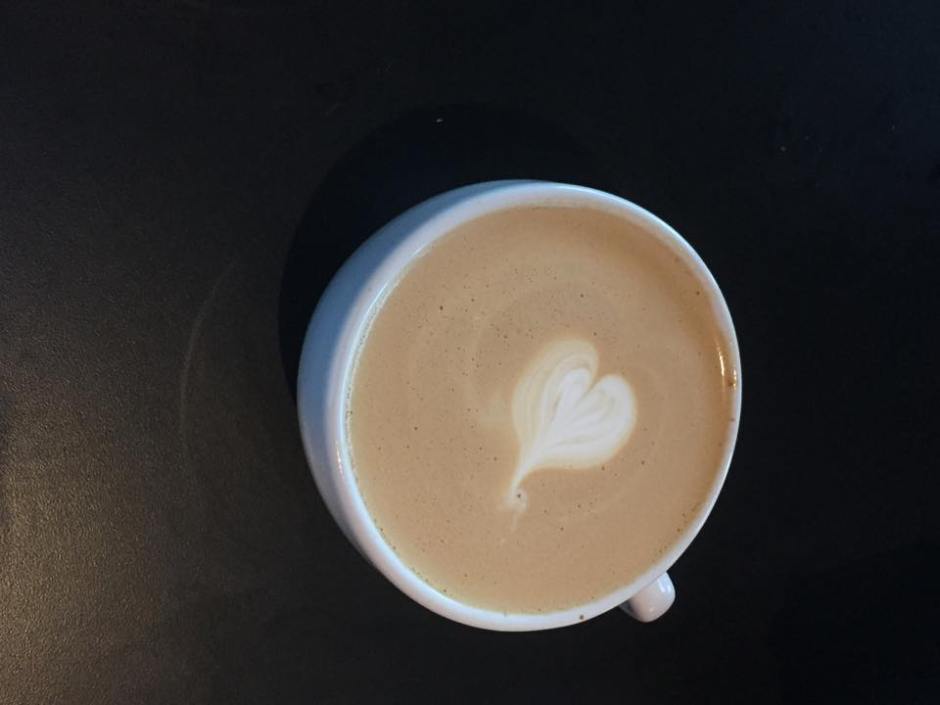
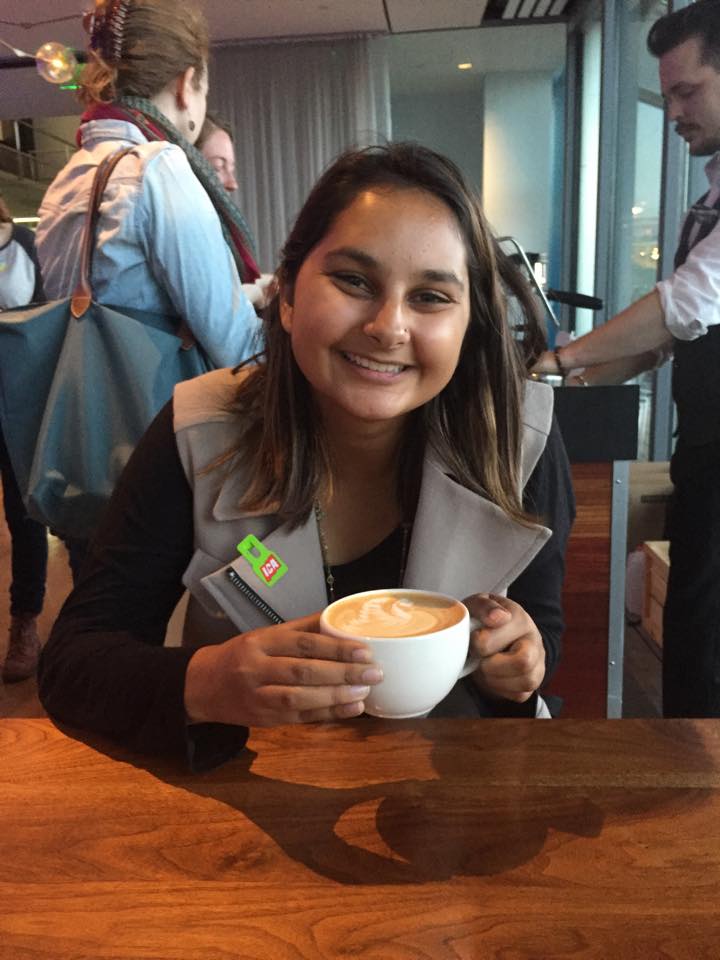
Dave made me a heavenly latte and then it was my time to shine, my time to prove once and for all that I am an artist by any important standard of measurement.
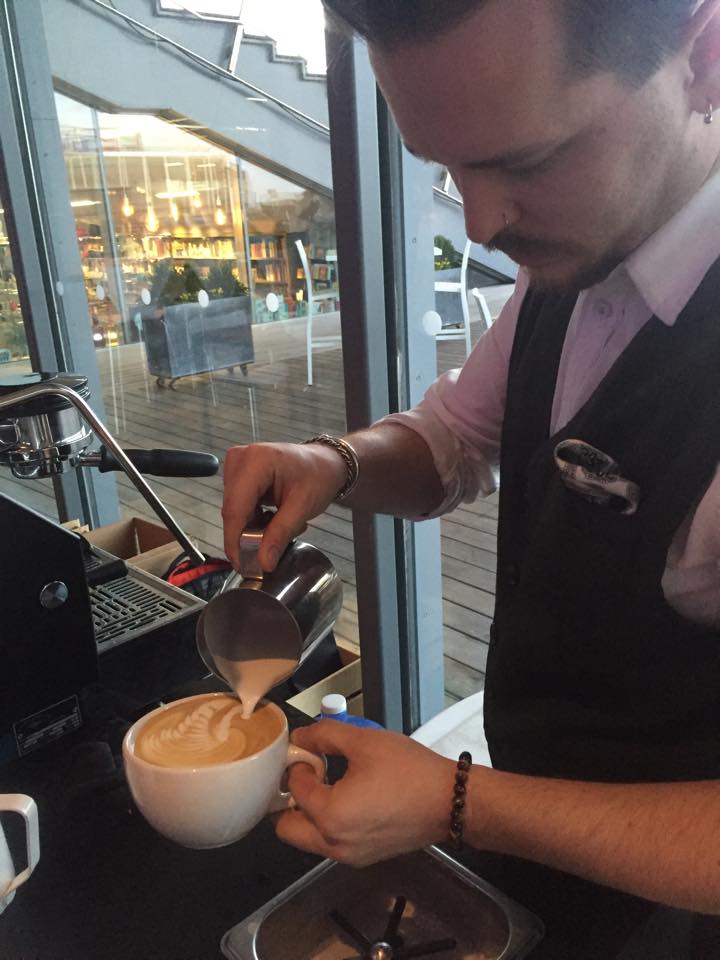
I watched the demonstration carefully, noting that the latte artist tipped the cup before pouring anything in, watching his steady hands design swans, acorns, and hearts, moving ever-so-slightly to produce the most majestic swirls and shapes.
But, alas, some things should be left to the masters. I stepped up to the plate and choked, creating an amorphous blob instead of the ambitious flower design I had in mind. It was any self-respecting hipster’s worst nightmare! Luckily, I was soon happily drinking my slice of heaven and all of my troubles floated away. I walked away content; I am an appreciator of all fine things without the ability to create any of them on my own, but that’s just fine with me.
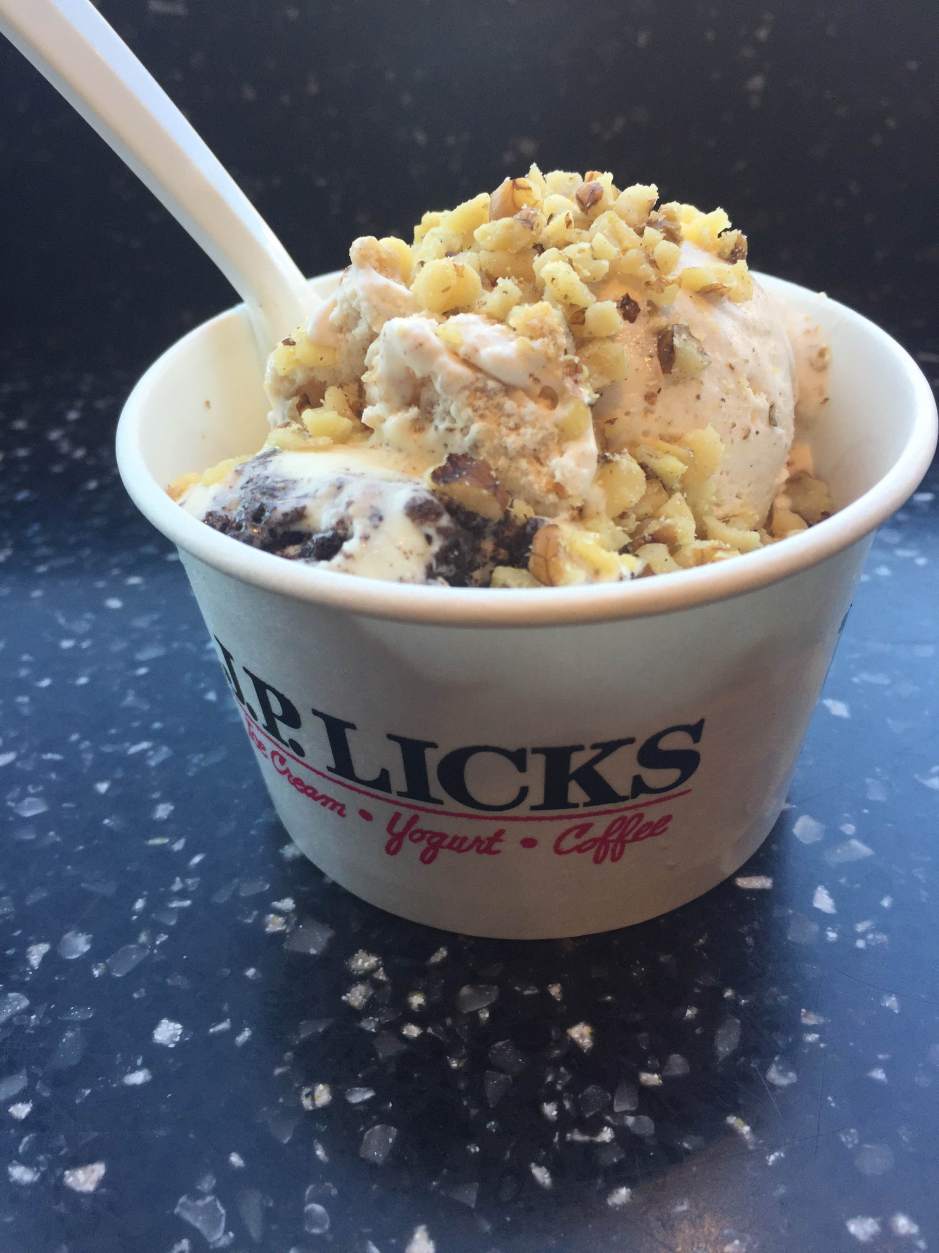
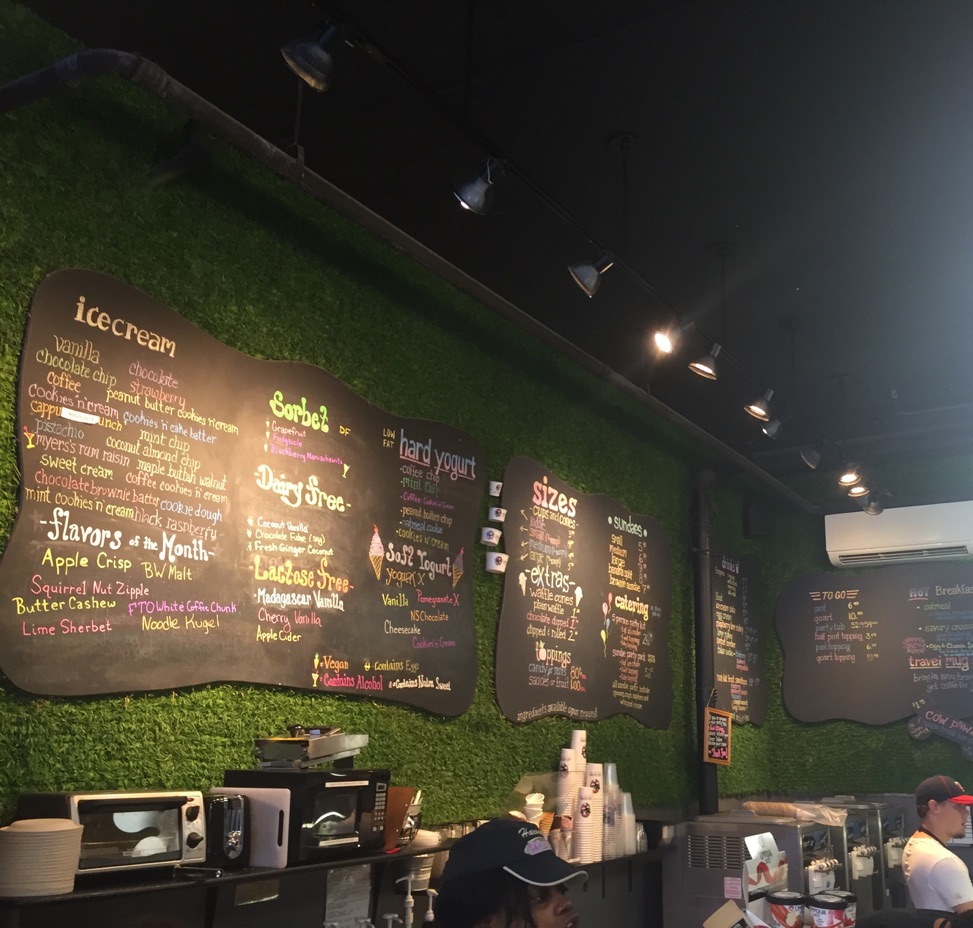
One does not simply go to Harvard and never visit J.P. Licks. Conveniently located in Harvard Square, this famous ice cream store is a favorite of many Harvard students – and Sabrina Yates (Harvard ‘19) is no exception.
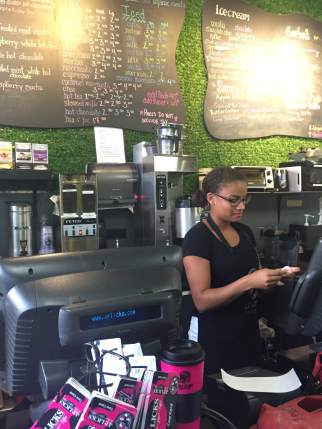
Sabrina began working at J.P. Licks on September 5th because she loves being busy. And the extra cash to support her love for eating out and shopping – and not to mention the 50% discount on ice cream all employees of J.P. Licks receive – certainly doesn’t hurt, either. And today, she gave us an exclusive insider look at what goes on behind the counters of J.P. Licks.
What is the most annoying thing that customers do?
When people come in, and they just try a lot of flavors – one girl came in and tried three flavors and then just left without ordering anything. That’s problematic. And yesterday, someone came in and ordered a large with two toppings. And then when he checked out, he changed his mind and said he didn’t want it. That’s obnoxious, too, when you do that after we make an entire ice cream for you.
Is there a secret menu?
No, but we have so many interesting delicacies that are unique to the J.P. Licks family that there’s no real need for a secret menu.
But are there certain combinations of ice cream flavors and toppings that aren’t well known but definitely should be tried?
Everything’s good! Yesterday, I had oatmeal hard yogurt with caramel, and it was so good. No one eats it, but it’s so good that I just have it all the time.
Is there anything at J.P. Licks that you would never try?
Rum Raisin. If you like alcohol, just drink alcohol. Don’t eat ice cream flavored like alcohol.
What is it like working at J.P. Licks?
Working at J.P. Licks is a rewarding experience because you always make people happy. Except when there’re bratty kids, but that’s a different story. And my coworkers are cool and fun to talk to when there’s a lull in the service.
Apple Crips and Cookies ‘n’ Cake Batter, with almond topping.
What does J.P. Licks really emphasize?
We really emphasize on making the customer happy. If someone has a nut allergy, we go in the back and get out a new spoon to scoop up the ice cream for them. All of our stuff is also made locally, so it’s only in the Boston-Cambridge area.
Summers always hold the possibility of the unexpected. Bucket lists, vacations to new destinations, spontaneity. My summer was filled with such unexpected activities and outings to places I’ve never been, but of a different variety.
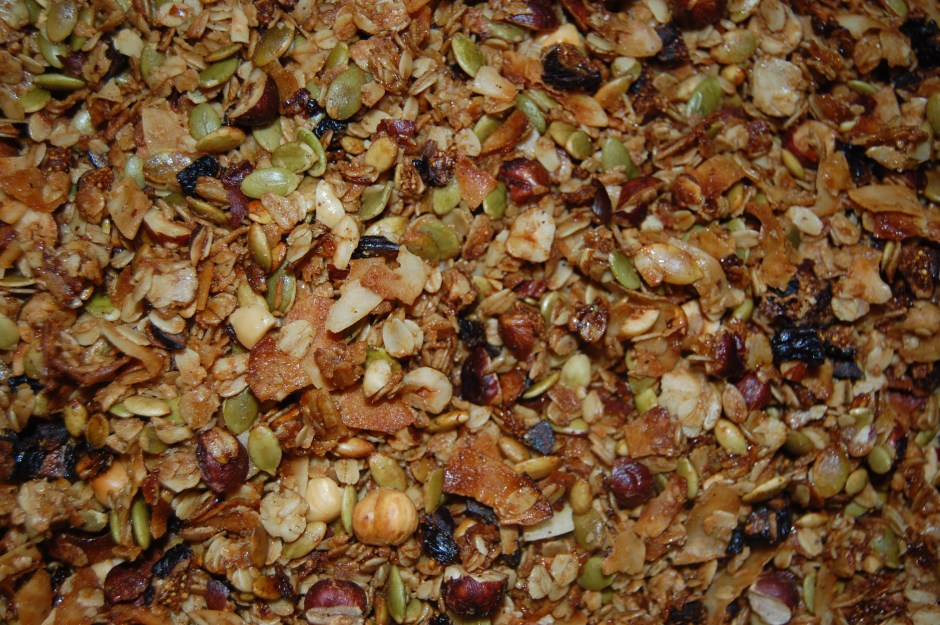
My mom, a recent empty nester since I came to college, had an idea. She was going to turn the granola she and her mother had been making since she was a kid into a company. She was going to account for all those now trendy dietary restrictions that mark the products lining Whole Foods’ shelves—gluten-free, vegan, low glycemic. She was going to live that ‘Shark Tank’ dream and make a hit product.
And she did. Well…she’s on her way.
Last winter, Dragonfly Granola was just an idea. By the spring, she was baking in a commercial kitchen and starting to sell at a Farmers’ Market on Sundays. This summer, one shift at the commercial kitchen turned into two and that one Farmers’ Market turned into four.
In a few weeks, I will be going home for the weekend to help fulfill an order for 250 bags of Fig Hazelnut granola for one of the biggest artisanal grocery stores in New York.
The first time my mom and I went to that commercial kitchen, she dropped a tray of granola and I sliced my finger on a knife. Over the weeks, we’ve learned how to use the industrial dishwasher and operate the walk-in oven. We’ve graduated from making batches 5 times the original recipe size to making 20 times. We’ve developed new flavors (our Chocolate Espresso with Almonds is a personal favorite) and had barcodes made for the products.
This summer put my basic economics to a test as I struggled to determine wholesale vs. retail pricing, and how to account for all costs to determine profit. It taught me the New York State code for food sanitation and just what coconut sugar is.
At Farmers’ Markets I got to know Dragonfly Granola customers—the regulars and the first-time buyers. As they tried our samples and responded with smiles (or on occasion a remark of ‘that is the best granola I’ve ever had!’), I couldn’t help but be proud. And then there were remarks on the calorie count or “this is too sweet » or, quite often, “$12 for a bag of granola?! »
It is true. This is expensive granola. And if I were one of those samplers, I might have considered buying a bag of Dragonfly Granola and then decided I would get dinner out one night instead.
But when you have contributed to every bag, watching ingredients become a product, $12 seems like not much to pay. I’ve learned that buying pistachios in bulk is shockingly expensive, and getting every bag to weigh exactly 14 ounces is hard.
Owning a small business is a dream, but it’s incredibly difficult in the age of Walmart and comparable bags of granola that cost $5. The difference is that Dragonfly Granola is made by hand (literally.) Those oats from Maine were measured by me, and mixed by my mom. The labels were affixed to the bags as an excuse to watch some bad reality TV. This granola has become my mom’s second child and she treats it with as much care, love, and affection as she would a baby.
The parting gift from my mom as I left for school this fall was a bag of granola. As I use it to top my d-hall oatmeal, I can’t help but think ahead to a day when HUDS provides Dragonfly Granola. Or maybe that’s just much too wishful thinking. Instead, I imagine a day when Dragonfly Granola doesn’t come in a care package from home, but from a Cambridge Whole Foods. To a day when a factory seals the bags and the oven accommodates hundreds of trays. And being able to remember what it was like at the very beginning.
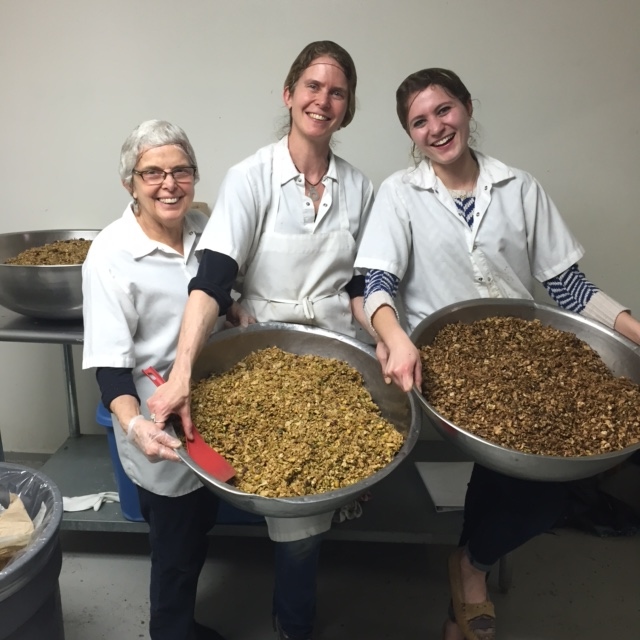
Basia, her mother, and her grandmother making granola a family affair.
Be sure to check out dragonflygranola.com to shop online for delicious granola!
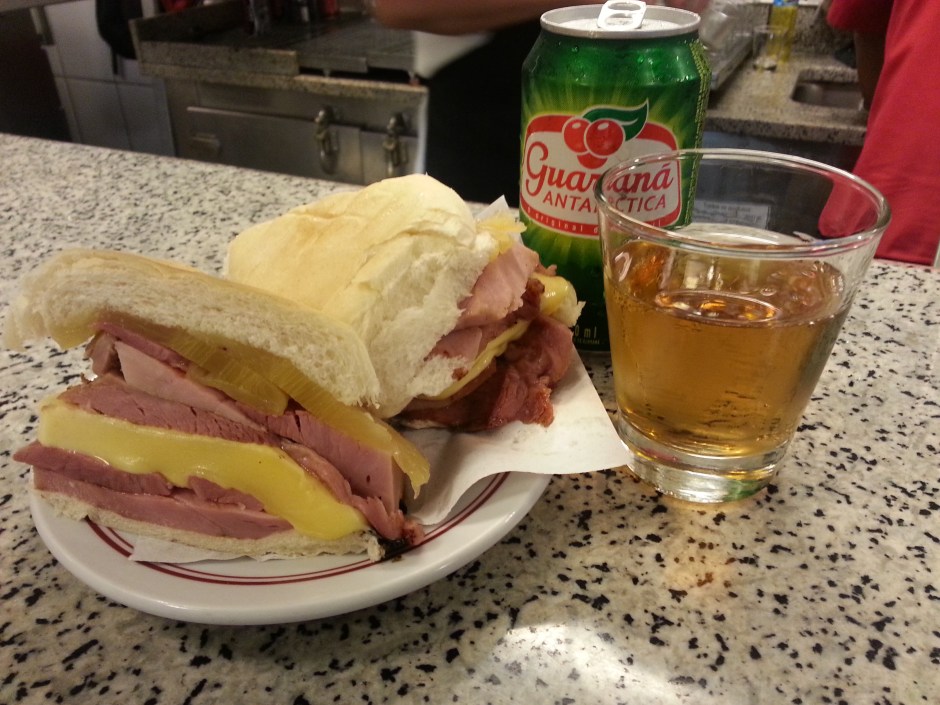
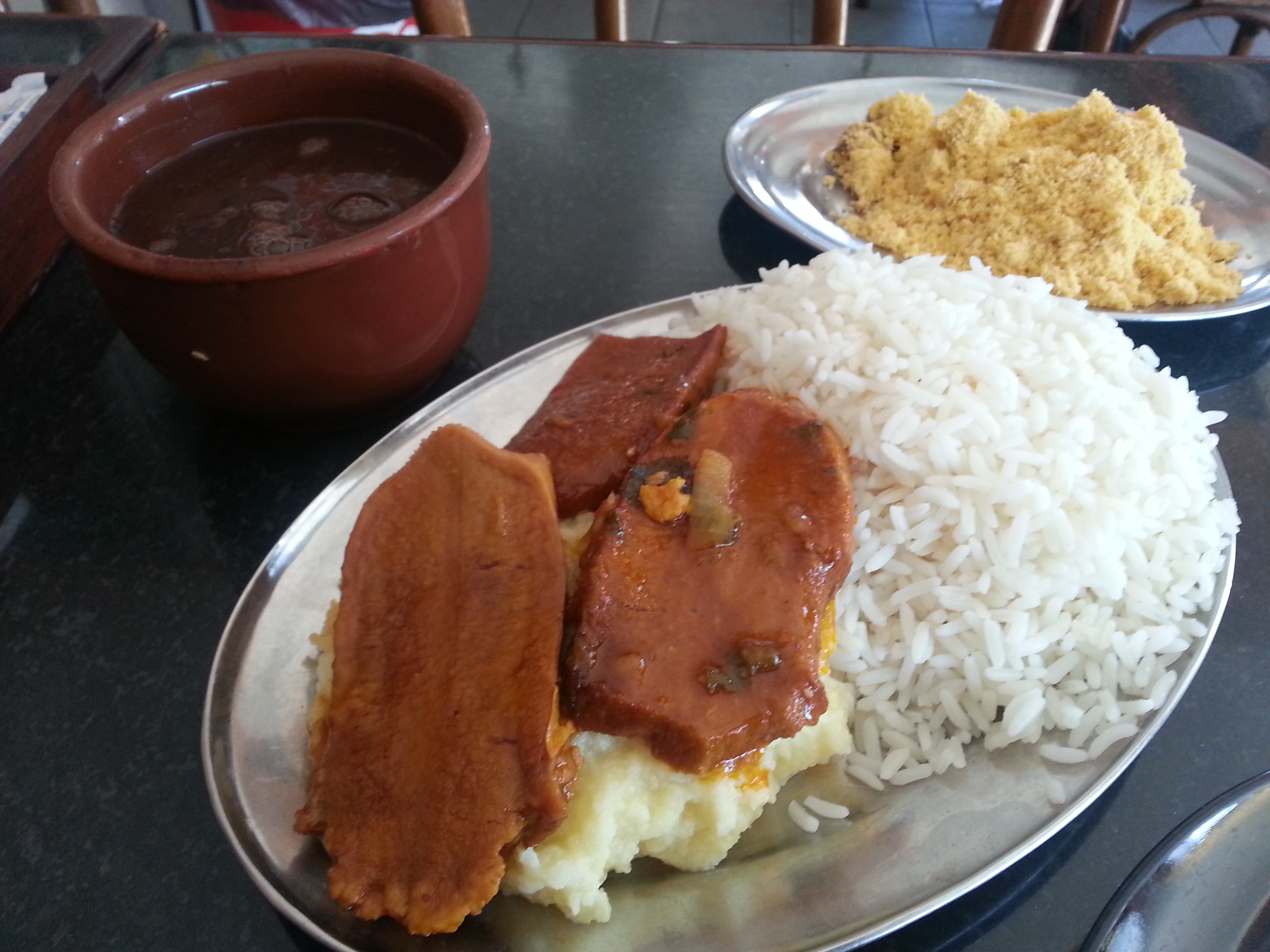
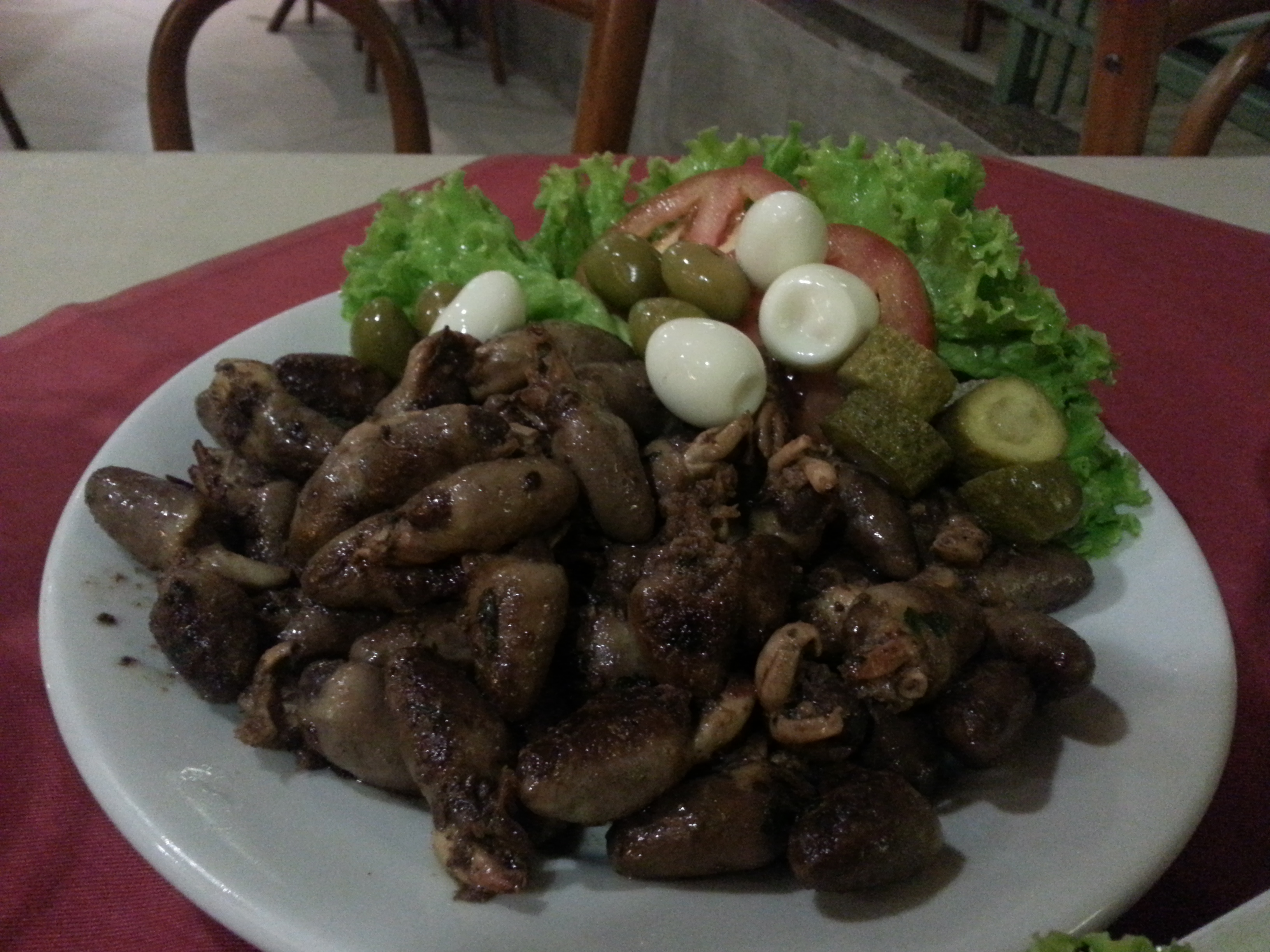
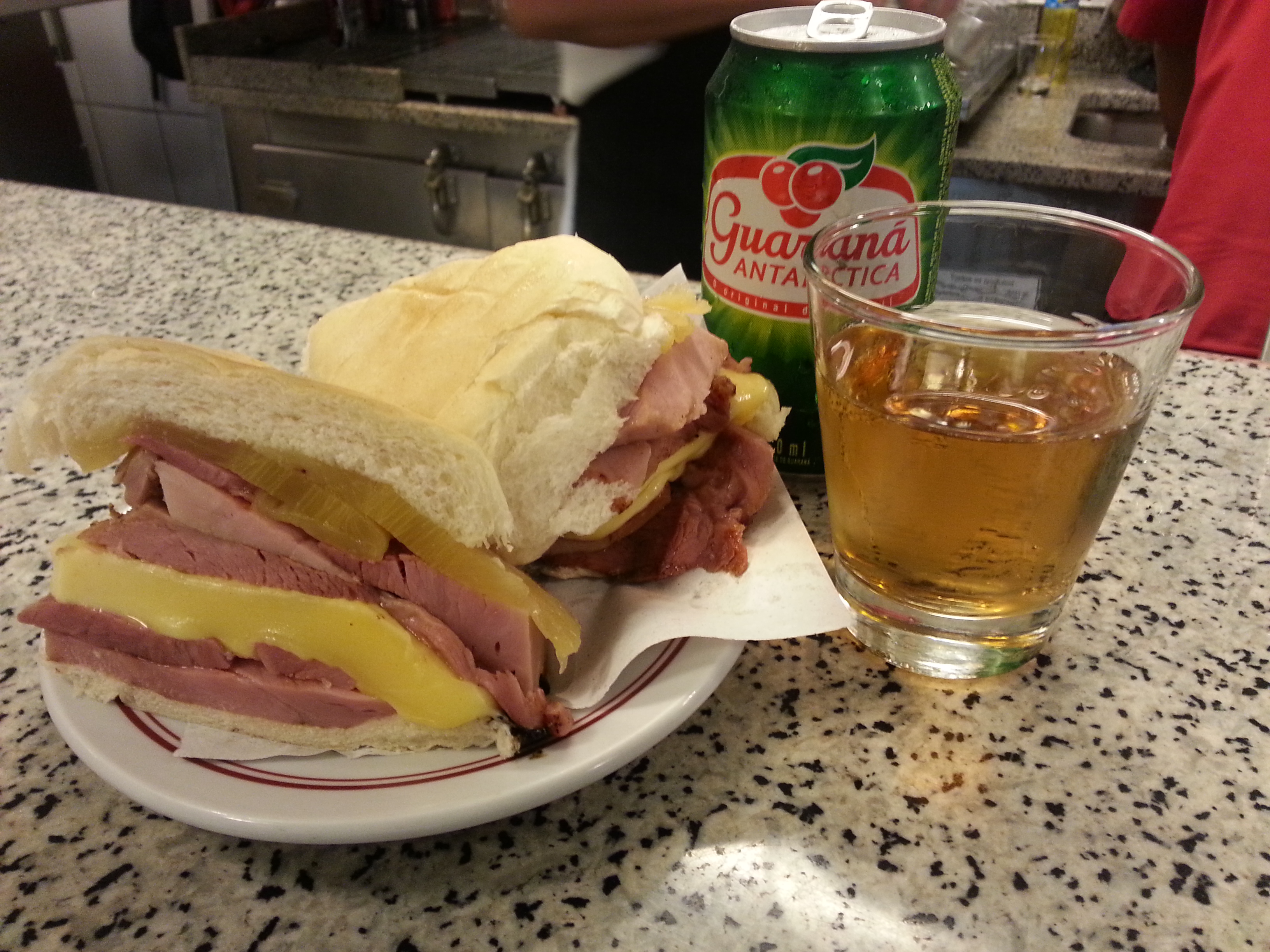
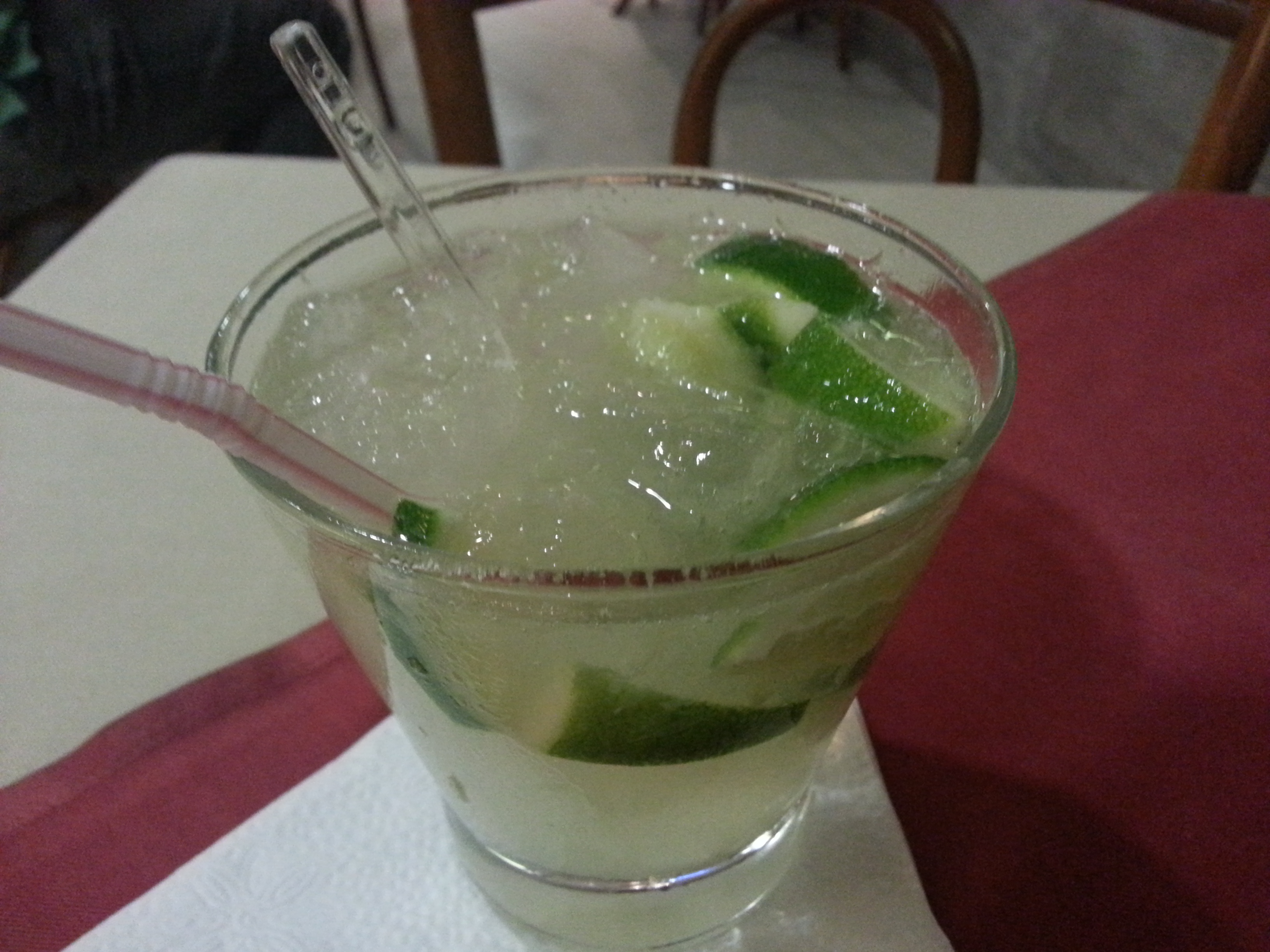
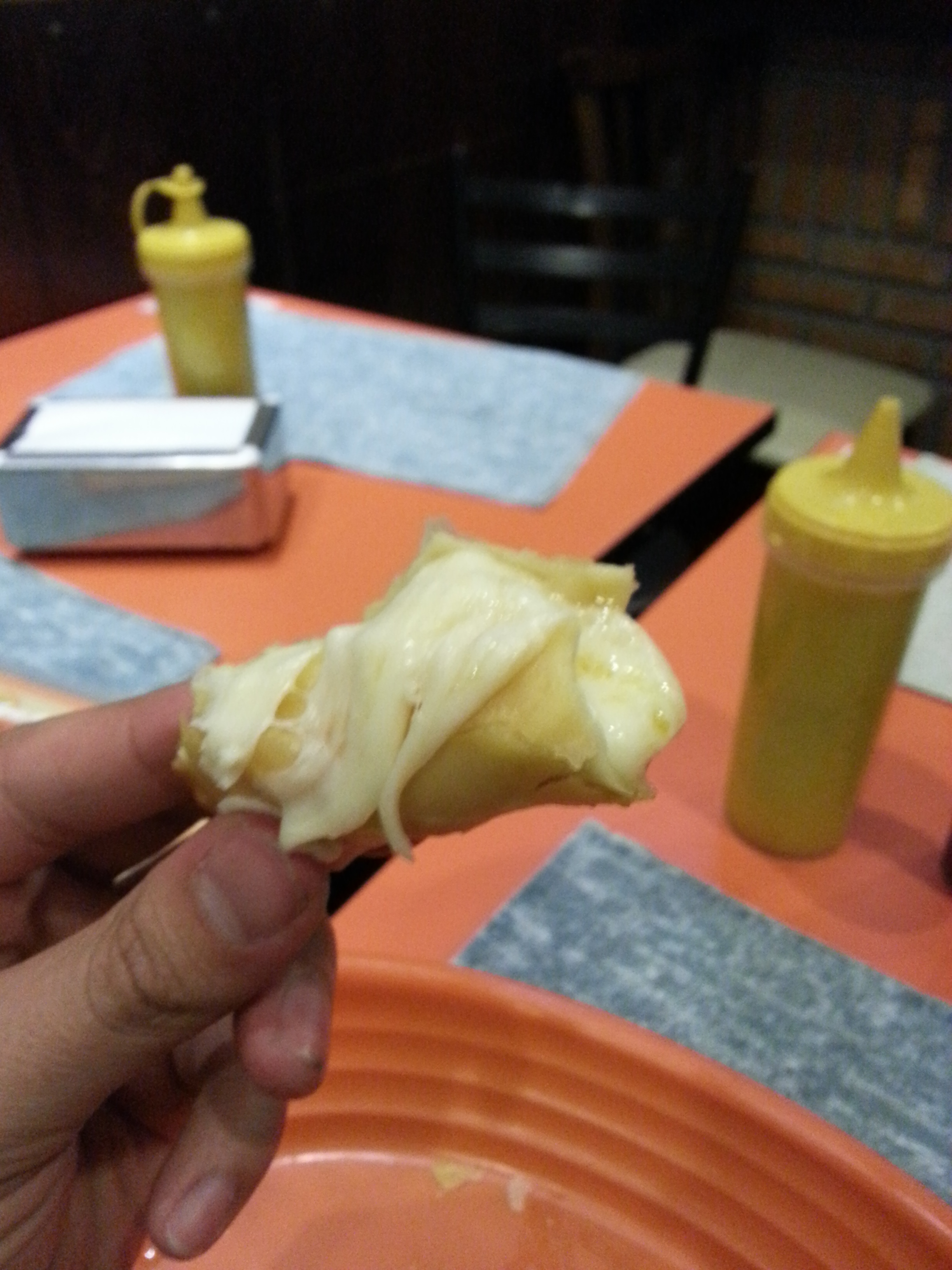
Adam Wong ’17 is currently eating his way through Brazil. Below are his favorite delicacies (some of which are various organ meats!) from Rio and Porto Alegre. Which would you want to try most? Vote in the poll!
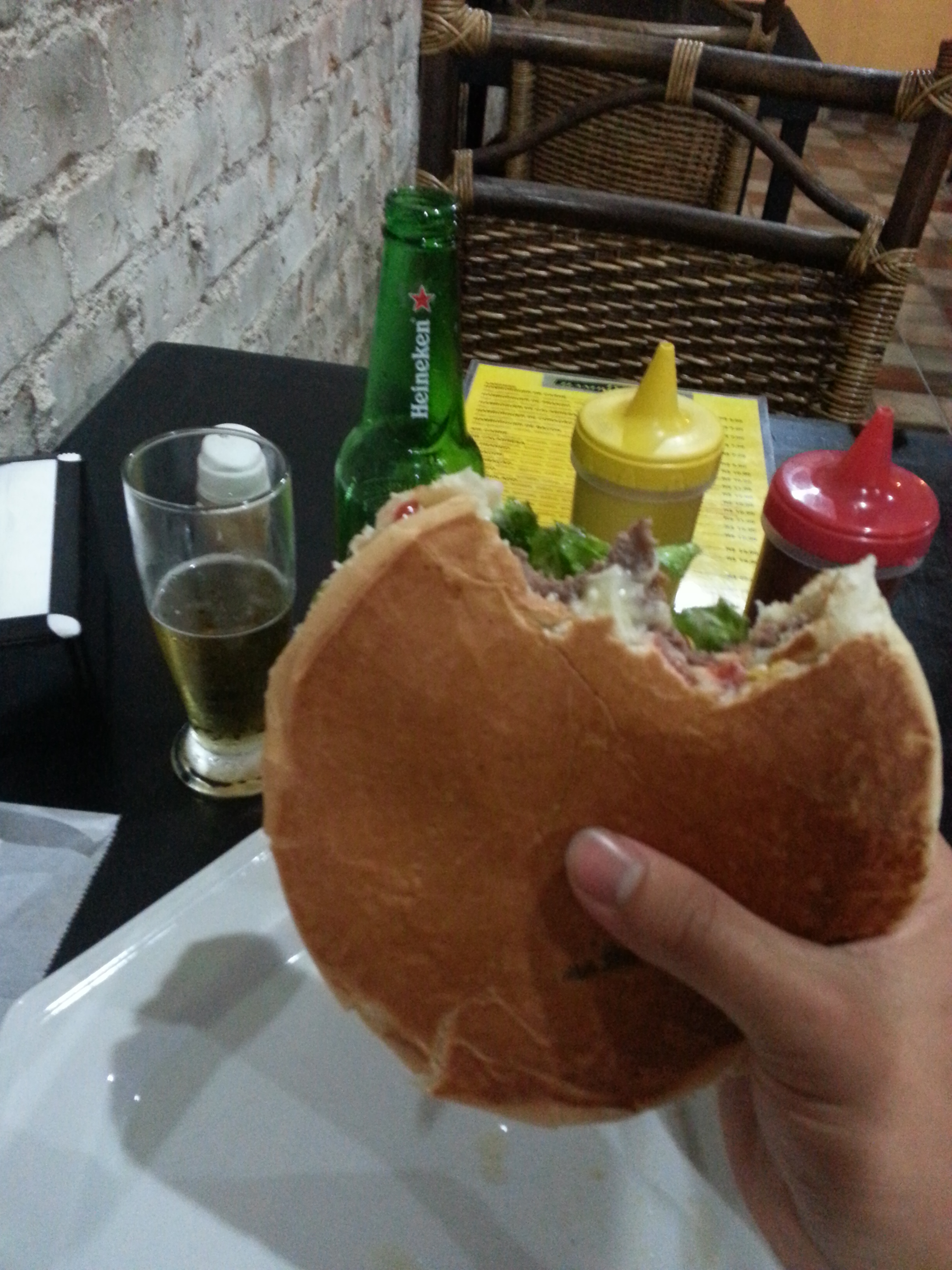
Sauteed beef tongue with mash, rice, beans, and farofa (fried cassava flour)Fried chicken hearts with cilantro.Honey ham, provolone and pineapple sandwich with guarana sodaThe Caipirinha, the “best drink in the world” and basically a lime-ade hopped up on sugar cane liquorPastéis, a fried pastry stuffed with cheese and garlic.Xis, a gargantuan cheeseburger derivative with the incredible innovation of adding peas and corn.
At 9am on a Thursday, I was a little surprised to see five Harvard students grinning as they stretched and turned (and stretched and turned again), a batch of sticky bread dough. This gooey mass, after it has risen and been braided, will become the sweet bread Challah, a traditional bread served at Shabbat dinner, or the Friday evening meal of the Jewish day of rest.
But the bread is not for them –save for a few furtive bites.
Headed by sophomore Amanda Jowell, Harvard’s Challah for Hunger mixes, bakes, and sells freshly baked Challah every Thursday evening at Hillel starting at around 6pm. The proceeds all go to MAZON, an advocacy group that works to bring nutritious food to the hungry in both the United States and Israel. And so far, so good: within the first four weeks of selling, Challah for Hunger has already raised more than $500.
The original organization founded about a decade ago, Challah for Hunger now exists on over 70 different campuses across the US, Canada, Australia and England. Jowell got the idea to bring CfH to Harvard after her twin sister started an outpost of the group on Stanford’s campus. Supported by Hillel, Jowell was able get the supplies and manpower together, and is now even able to offer different flavors of bread in addition to completely kosher Challah.
As someone who had never heard of the bread before, I had to ask: why Challah? The answer is quite simple. At Shabbat dinner, Challah is something expected, as the dinner usually begins with a blessing over two Challah loaves. In this way, the goal of CfH is to come together as a community to aid those who ultimately cannot take Challah on their dinner table for granted.
Making bread from scratch is a pretty serious time commitment (especially for a Harvard student), so it is only through community that the Challah makes it into the oven each week.
The Challah making process consists of four main parts: 1) mixing/kneading, 2) rising, 3) braiding, and finally, 4) baking. Following the procedure Jowell had already perfected by the second week of production, the process begins at 9am when about five to six Harvard students get their hands dirty combining the ingredients and kneading the dough.
Step two, rising, occurs throughout the day, letting the yeast metabolize as many sugars as possible, while the students attempt to digest their professor’s lectures. It is essential to let the dough rise for a significant amount of time, as it maximizes the amount of carbon dioxide and alcohol released into the dough (i.e. the dough magically triples in size). At 4:30pm, a new round of students comes to braid the dough
and then slather the loaves in egg wash,
essential for achieving the coveted caramel brown on top of the loaves.
Finally, the Challah goes into the oven, and is still warm when it is sold to the line of people already lined up and waiting for the bread to arrive.
At just $5 a loaf, the braided beauties are sold out within minutes. Just one bite into these pillows of soft, sweet dough, and you’ll know why.
What do foodies love more than actually eating food? Looking at pictures of food, of course. Accordingly, food-centric Instagram accounts have become all the rage. One in particular stands out, with its mouth-watering images and clever captions: Boston Bites (@Boston_Bites).
“Biting our way through Beantown,” boasts Boston Bites’ Instagram profile. Founded by Harvard freshman, Alana Steinberg and a friend from home who went to Boston University, the Boston Bites instagram account was originally a way to keep in touch with each other and ensure the two friends actually went out to explore Boston. “We started collecting photos when we got to college, and started posting in October,” Alana explains. Over time, however, it evolved into Alana taking charge of the account, although, she notes, “I still keep in touch with my friend, and sometimes she will send me pictures to post.”
Alana herself has a background in photography, although she usually focuses on portraiture instead of food. She also does multimedia for the Harvard Crimson. In terms of her food background, “I love to bake”, she says with a smile. “At home, I’m known for my popovers and snickerdoodles.” Like many other students (read: the entire staff of the Crimson Crave), she wishes she had more time at school to bake. Luckily, managing Boston Bites serves as her outlet for satisfying her love of food.
Armed with a book of Zagat-rated restaurants in Boston and inspiration from other Boston foodie Instagram accounts, Alana sets out into Boston on average once a week to try a new place and take pictures for Boston Bites. Finding the time to get into Boston can be challenging; “sometimes I go three times in one week and then not at all,” she admits. However, for weeks when she is too busy to make the trip and post new pictures, Alana is able to rely on and repost the five to ten daily submissions she receives from some of her 1659 followers.
Having tried at least one place every week since she first started at Harvard, Alana has eaten a lot of food at a lot of different restaurants. Of all these meals, her favorite has been the avocado toast with burrata and pecorino cheese at Met Back Bay. “I highly recommend Met Back Bay for brunch in Boston,” she says, “but in the square, I really like Bagelsaurus and Russell House.”
Avocado toast from MET Back Bay
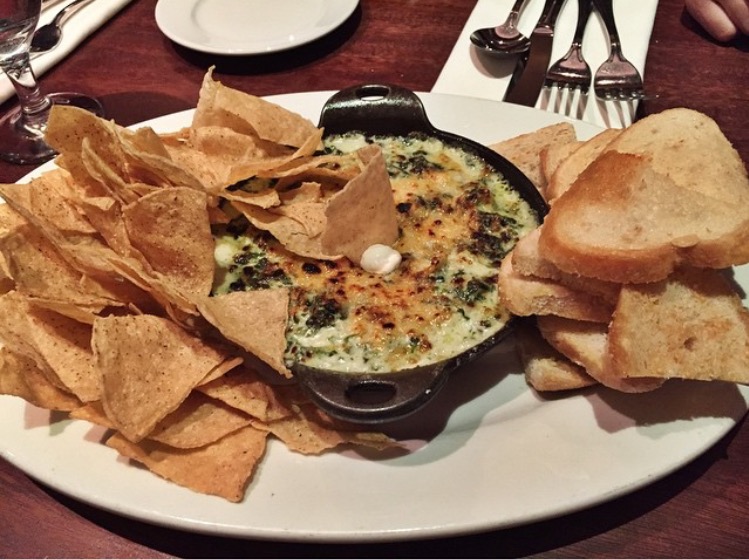
As for dinner, she recommends Theolonius Monkfish, a sushi/Asian fusion restaurant in Central Square, a mere 10 minute walk from campus. In Boston, Joe’s American Bar has “really good American food, like spinach dip.” Sounds good to us!
Chicken stuffed lychee from Theolonius MonkfishSpinach Dip from Joe’s American Bar
In the near future, Alana hopes to make it to the Union Square Donuts store, and also to a sushi place called Oishii. Be sure to follow Boston Bites on Instagram to see not only these pictures of donuts and sushi, but also the many other mouth-watering pictures of foods that can be found in the Boston area.
Shopping week is often a perilous time of year. The night before it begins, you have the perfect plan figured out: 4 (or 5) classes, no Friday sections, and a nice long lunch each afternoon. Then midway through the week, you’re on the phone with your parents telling them you just cannot get it together for this semester. “Mom, I’m just going to dropout.” Classic.
Choosing can be tough, which is why the Crimson Crave has put together a list of food-related courses for your shopping list. Tough just got tougher…and chocolatier and cheesier.
Check out the lists below for courses running this spring and fall!
Spring 2015:
AFRAMER 119x: Chocolate, Culture and the Politics of Food
ANTHRO 1727: Sensory Korea
ENG-SCI 24: Flavor Molecules of Food Fermentation: Exploration and Inquiry
ESPP11: Sustainable Development
ESPP 90t: Environmental Health: Your World and Your Life at Risk
FRSEMR 32m: Food for Thought: Culinary Culture in Spain and Latin America
ITAL 105: From the Book to the Kitchen Table
OEB 52: Biology of Plants
RELIGION 1046: Introduction to Religion and Ecology
SCI-LIVSYS 19: Nutrition and Global Health
SCI-LIVSYS 16: Human Evolution and Human Health
Fall 2015
ANTHRO 2712: Ethnographies of Food
ANTHRO 1040: Origins of the Food We Eat
ANTHRO 2618: The Body in the Age of Obesity
E&M REASON-22: Nutrition and Health: Myths, Paradigms and Science
French 127: Talking about food
HEB 1411: Evolution and Adaption of the Human Diet
SCI-PHYUNV 27: Science and Cooking: From Haute Cuisine to Soft Matter Science
Many of the Crimson Crave writers were fortunate enough to trek home for Thanksgiving break. And who wouldn’t when there’s turkey involved? Well, maybe it’s a little more than just the turkey calling us home. We decided to put this article together during our last meeting, when we realized that each of us was looking forward to our thanksgiving meal for entirely different reasons. Every family has that one dish that makes their meal special (I bet you’re thinking of yours right now), and we wanted to share ours with you. Also, like many Harvard students, some of our writers were unable to go home for the short break. In this way, we also feature in this article what our writers were eating at their Harvard home during the break.
Not to make things mushier than mashed potatoes, but we just wanted to say how thankful we are for all of our awesome readers out there who read our posts each week. We really appreciate your support as we continue to expand the blog, and we are looking to host a couple of events next semester so we can offer our readers more than just pictures of food. That’s right, real food is on the way.
Check out the blurbs below to get a little taste of our first-ever Crimson Crave Thanksgiving!
Thanksgiving wouldn’t be the same without… Tons of delicious desserts (and help from the peanut gallery!) By Orlea Miller ’16
After my mom and I finished baking pumpkin and apple pies, a flourlesschocolate cake, and a pumpkin roll, my six-year-old brother decided he wanted to chip in to our Thanksgiving dessert collection too! With a little bit of help on the frosting end, he decorated his own turkey chocolate cupcakes for all the kids (with blue eyes for the boys and pink eyes for the girls of course). One of my mom’s signature dishes, and a family favorite, is her sweet potato casserole which is pictured here as well.
Thanksgiving wouldn’t be the same without… Pastina & Cinnamon Rolls By Dana Ferrante ’17
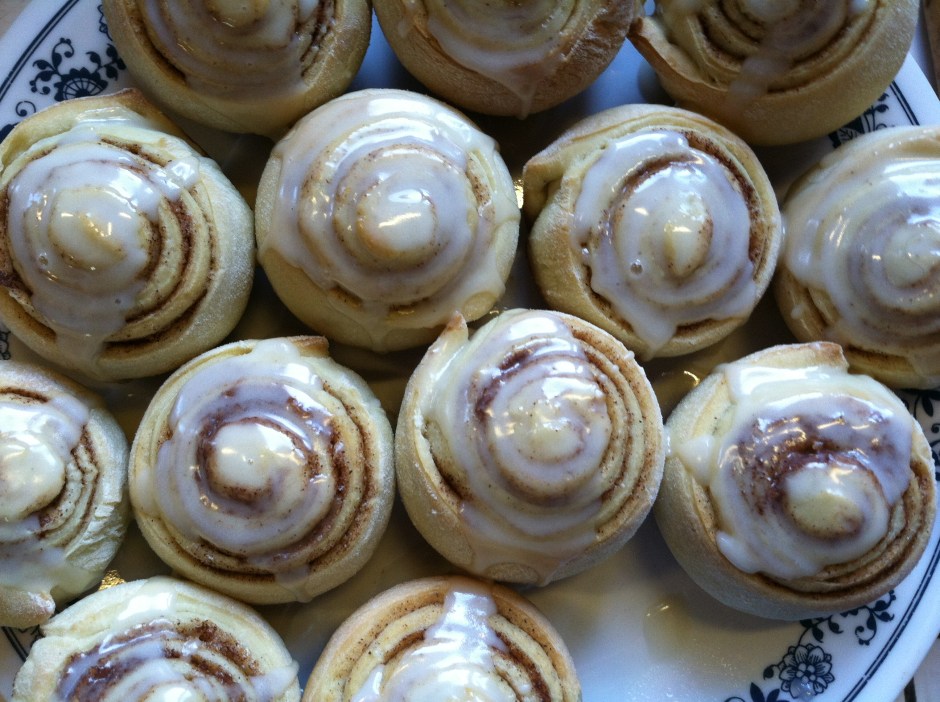
Even on arguably the most American holiday, the Ferrantes can’t abandon their beloved pasta. No need to be alarmed, we still have turkey and all the fixings, we just save all of that for last. Every year, I look forward to the warm broth of our first course, pastina and spinach soup. This tradition has been around longer than I have, and I could not imagine our feast without it. Homemade cinnamon rolls are another favorite and staple of our Thanksgiving meal; since my mom started making them a couple years ago, the rolls have more or less become the second course of our Thanksgiving meal. They always seem to come out of the oven while my aunt is carving the turkey, so we usually devour them as we anxiously await the main course.
Thanksgiving wouldn’t be the same without… Trying Something New By Caroline Gentile ’17
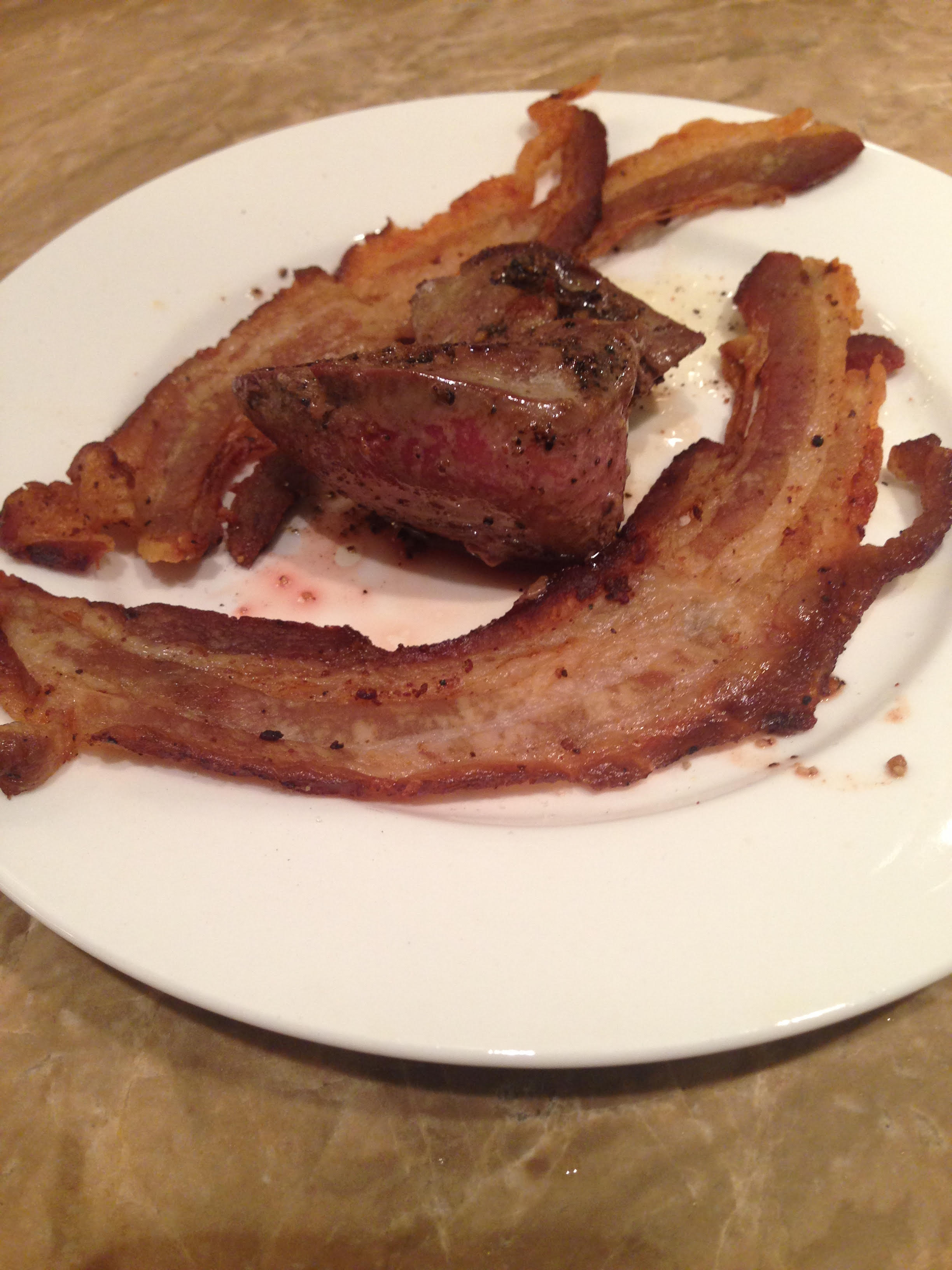
Thanksgiving wouldn’t be complete without trying something new with the turkey. In years past, my family has fried, grilled, and baked the turkey, but this time we decided that there’s more to a turkey than white meat and dark meat. This year, we experimented with the giblets! We fried up the liver of our 17lb turkey, along with some sautéed onions and bacon — and it was actually pretty good! Even my 7 year old brother and 3 year old cousin tried it and liked it…and that’s saying something!
Thanksgiving wouldn’t be the same without… Friends & Leftovers By Faye Zhang ’17
My family lives in Beijing, which makes going home for a three day break completely irrational. I would say “Hi, family,” only to immediately turn around for the seventeen hour flight home. So, I spent the long weekend in the company of friends on campus, including Katey, a friend of mine from Williams.
I started off the break with a five-hour-long movie marathon with my blockmate Christine. We watched all of Richard Linklater’s “Before Sunrise” series in a row. It seemed like the thing to do on Thanksgiving Eve. On Thanksgiving day, Katey and I headed to Adams House for the all-day Thanksgiving meal, which was surprisingly well done and included carved turkey, ham, plenty of breads and pies, and apple cider. My favorite part of the meal though, was probably bringing laden plates of food to Katey so she could avoid the swipe counter.
In the evening, we headed to the Dudley Co-op, which was unusually sparsely populated this Thanksgiving (only two co-opers remained on campus). We raided the leftovers fridge, rationalizing that the food would go bad anyway, and ate our fill of roasted beets, tomato-pepper hummus, sourdough bread, and homemade deep dish pizza. Later, we celebrated the end of the day with cheap champagne and roasted marshmallows and chocolate in Christine’s room in Dewolfe.
The final day of break was spent (briefly) Black Friday Shopping, wandering around the Harvard Art Museums, and letting Katey buy the obligatory cannoli from Mike’s Pastry and cookie from Insomnia. Both, she declared, were “not too bad”. This Thanksgiving was a lot of bouncing around campus and talking to people I hadn’t seen in a long time, and spending precious long hours with close friends. Often, it’s not the food that makes the holiday, but the people you eat it with.
Thanksgiving wouldn’t be the same without… Potatoes Au Gratin By Adam Wong ’17
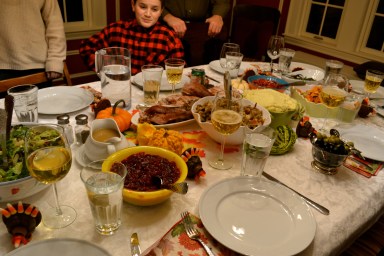
Presenting the spread. Notice how the central location of the au gratin reflects its central importance.
There is something about lasagna-like layers of tender, thinly-sliced potatoes held together with a gooey blend of Gruyère and sharp cheddar and crowned with the eternally coveted “cheese crust” that makes me brawl with my relatives. The best part about this crispy and chewy miracle is that in just a single bite you get about 7 potato disks stuck together with creamy cheese. You know the feeling you get when you run your knuckles over a piece of corrugated cardboard? That “bumpbumpbumpbumpbump” is exactly what a bite of potatoes au gratin feels like in your mouth as you chew–and it is the most satisfying thing in the world.
Thanksgiving wouldn’t be the same without… Gluten Free Stuffing By Danielle Leavitt ’17
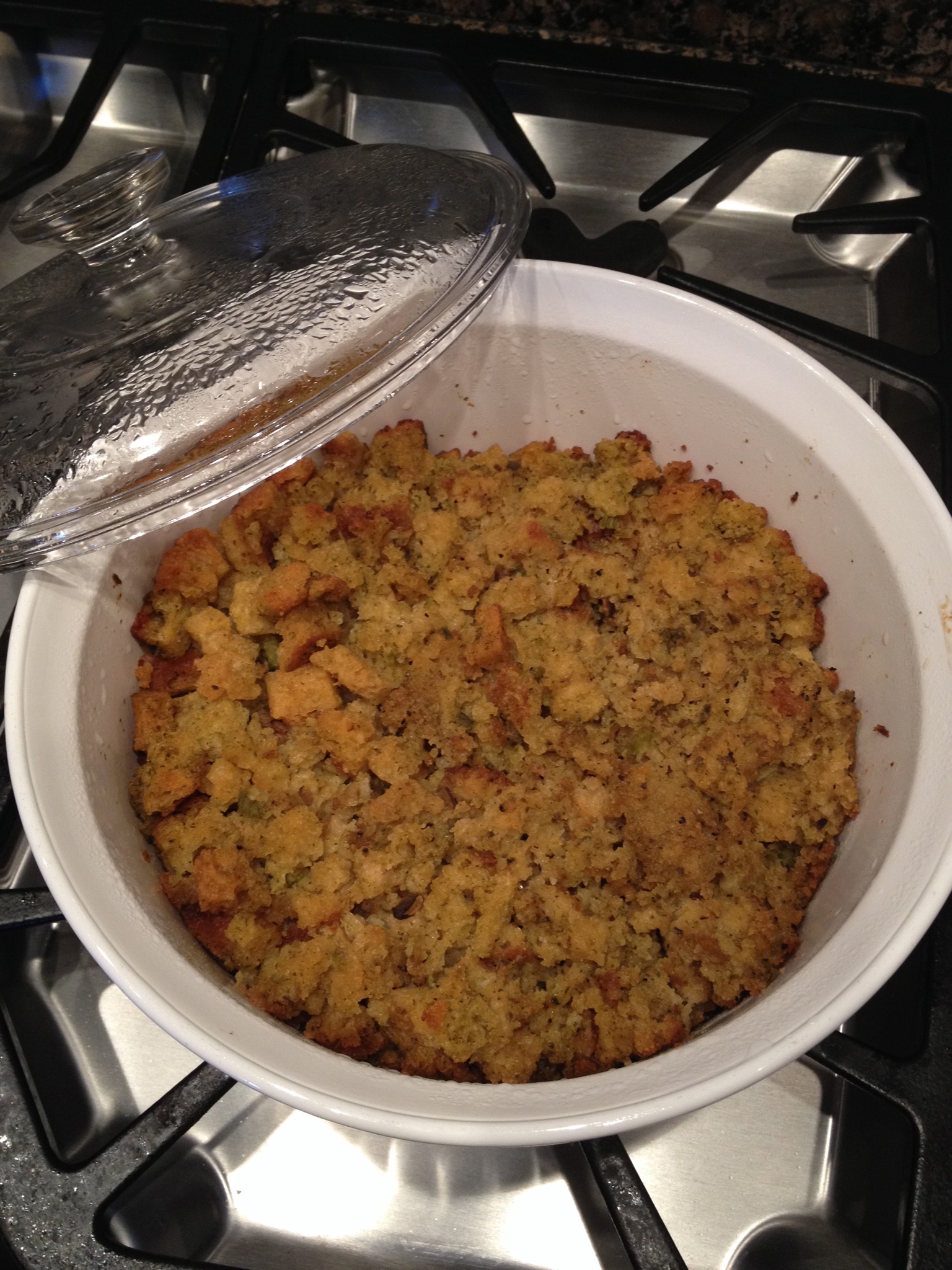
Waiting in line for anything during the holiday season is never any fun, but waiting a month for Trader Joe’s Gluten Free Stuffing Mix to arrive was well worth the wait. With all of the mix in the warehouse totally sold out in the first two days, I had to place my name on a waiting list. I was so excited when I finally got the call that my stuffing had come in. Stuffing makes the turkey, and the turkey makes Thanksgiving, so for those of us who eat gluten free, stuffing has never tasted so good! This savory, all-natural dish is easy to make, requiring just 6 tablespoons of butter and 3 cups of water. Trader Joe’s Gluten Free Stuffing Mix made my Orlando, Florida Thanksgiving the best yet!
Thanksgiving wouldn’t be the same without… Homemade Pasta and Way Too Much Baking By Victoria Piccione ‘16
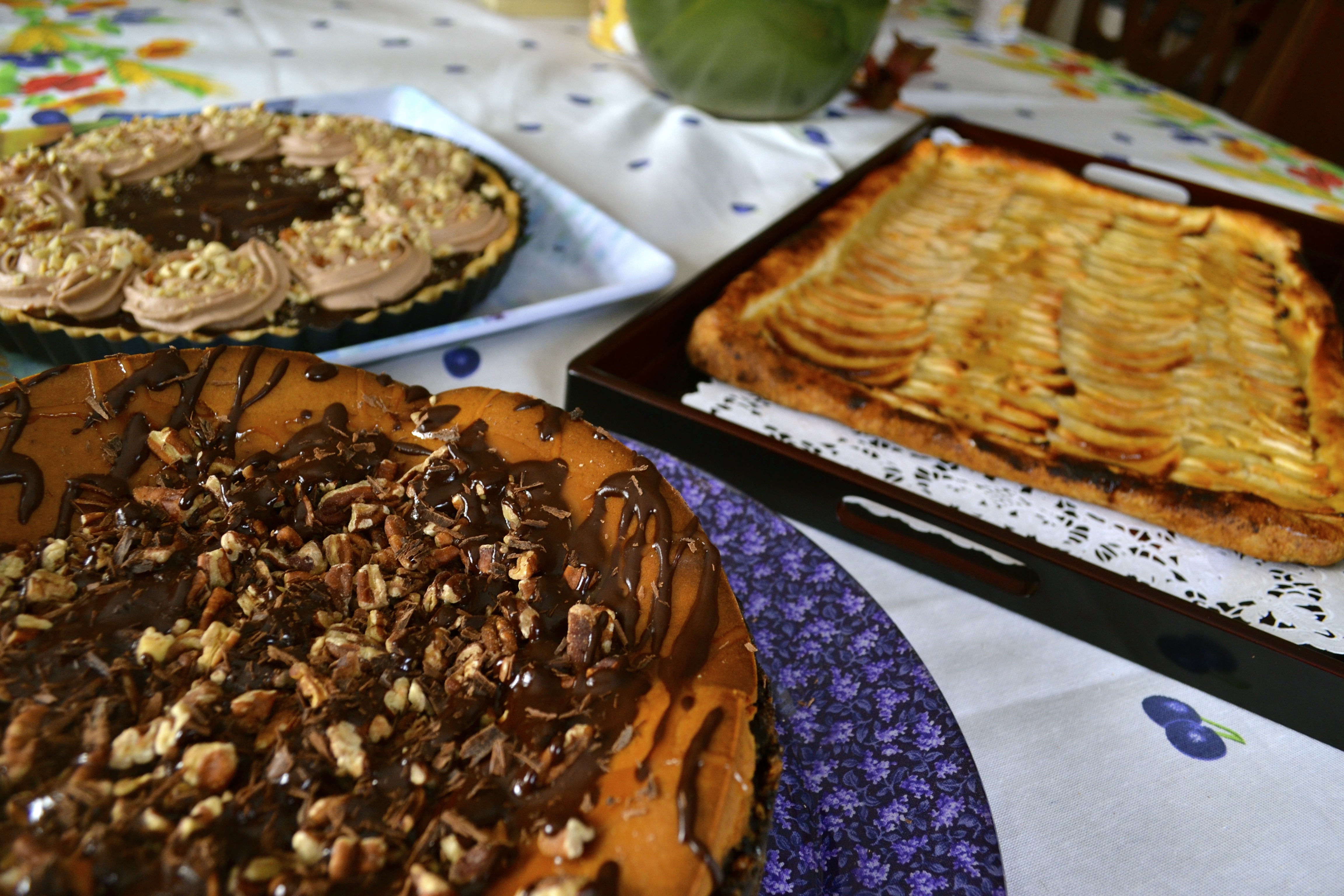
My ideal Thanksgiving would be one of only carbs: pasta, stuffing, potatoes, and desserts. Turkey is great and all, but I want to have as much room as possible for the incredible homemade manicotti that my dad makes each year. And the most-parts-bacon-some-parts-bread stuffing that my mom makes. And a piece of pumpkin turtle cheesecake, apple galette, and chocolate hazelnut tart that I spent all of Wednesday making. In the Piccione house, even an American holiday can’t escape some Italian flare, and that flare isn’t plain pasta with tomato sauce. It’s handmade manicotti, crepes with perfectly herbed ricotta-and-mozzarella filling all prepared by Papa Piccione. We usually need at least a half-hour between each course to let the pasta settle so that we can fully enjoy the traditional Thanksgiving fare! No one’s ever hungry for dessert, but that’s never stopped us from eating it anyway.
It’s where you eat; where you do homework; where you procrastinate. The place where you always end up eating inordinate amounts of honey butter on Sunday nights; the place where you can always find at least one of your blockmates.
Yes, I’m talking about the dining halld-hall. (Let’s be honest, we don’t have time to say the entire phrase.)
But, there are some things about the d-hall you should have time for. Some of these things may be obvious, others not so much. Nonetheless, in the name(s) of sustainability, accountability, and community…
Here are FOUR things you can do EVERYDAY to make our dining hall a better place (If you want to be lazy, just read the bolded sections):
#1 S.O.S
In other words, SAVE OUR SPOONS (and all other silverware and dishes for that matter).
As the school year goes on, plates, glasses, bowls, and silverware magically disappear. Of course accidents happen and things get broken, but when you lose HUNDREDS OF SPOONS in one year, it really makes you wonder where the spoons have gone. In the end, it doesn’t matter where they are going, but the fact that d-hall kitchen has to spend (read: waste) money every year getting new dishware. Whether you care about money, sustainability, or both, it’s clear that disappearing dishware isn’t helping anyone. So here’s my plea to you:
DON’T TAKE THE SPOONS/GLASSES/BOWLS/etc. OUT OF THE D-HALL. You probably have better things to stack up in your bookshelf anyways.
If you do take something….BRING IT BACK. There is no shame in bringing something back to where it belongs. Gold stars for anyone who does.
NEVER, under ANY circumstances throw out the plates & spoons. JUST BRING THEM BACK!That’s honestly downright wasteful. I’d rather you bring back a year’s worth of plates in May than never bring them back at all.
#2 SWIPE EVERY TIME YOU EAT
Unless it’s brain break when swiping isn’t necessary, it is EXTREMELY important that you swipe at every meal. We’ve all seen that sign on the checker’s desk (at least subconsciously), and we know we should… but do we really have to? Yes. Here’s why:
Swiping helps HUDS know when to have food ready and how much they’ll need. If there is a rush every night at 6:15, HUDS will be ready and armed with red-spice chicken for all only if they know how many people to expect at dinner. By using the swiping data from previous weeks, HUDS can make your red-spice dreams come true. Therefore, swiping helps HUDS, which in turn, helps us.
Swiping also allocates money to the house kitchen. In other words, each time someone swipes, a certain dollar amount from the giant HUDS fund is to your house kitchen. If a lot of food is taken, but only a few people swipe, there will be a huge discrepancy in the numbers. By swiping, we do our part in making sure our d-hall is making ends meet.
#3 Use trays & dishware sparingly.
This doesn’t mean go tray-less, nor does it mean you should always use a tray. Here’s an outline of the best case scenario:
You’re getting dinner with your blockmate, Bob. Instead of each getting your own tray, Bob gets a tray and you don’t. Both of you enjoy your Friday afternoon clam chowdah. When you are done eating, you pile everything onto Bob’s tray and send it down the conveyor belt. Water is saved, and everyone lives happily ever after.
Why you and your blockmate Bob deserve a gold star:
By using one tray, you do two things.
You save water, since now only one tray has to be washed instead of one.
You save the conveyor belt from potential damage. Part of the reason why we have trays in the d-hall is to prevent silverware from falling onto the conveyor belt, getting stuck, and breaking the belt. Of course, if one section of the belt isn’t working, everything comes to a halt, causing problem for HUDS staff and students alike. For this reason, going trayless is not the answer, but using them efficiently is.
On this same topic, consider taking one glass instead of three. If you have to get up to get a refill, it’s really not the end of the world. Once again, reducing your usage of cups, plates, and silverware helps reduce the amount of water used to clean the dishes; one less glass a day can make a big difference over time. At the same time, if you are planning to stay in the dining hall for a bit, there is no reason to use the disposable cups and silverware. When dining in, reusable items should always be your first choice.
#4 Remember: the d-hall is a COMMUNITY
You live in the best house on campus; let’s keep it that way.
Don’t take a bag of bagels when brain break starts at 9pm, leaving your peers bagel-less. That’s just not cool.
So you hate what’s on the menu for dinner every Saturday night? Well, that just happens to be Bob’s favorite meal of the week. It is HUDS’ job to meet the MAJORITY taste at every meal, so please be patient if your favorites aren’t on the menu every night.
We all are a part of this community, which is why we all have the chance to let our voices be heard. HUDS loves feedback. If you want change, it’s up to you to fill out the HUDS survey each semester or submit a feedback card. Real humans read every comment students make, and it is only through voicing your opinion that changes can be made.
While other d-hall issues are going to take a little more time to tackle, (i.e. getting more recycling bins, how to avoid the chaotic pile of dishes and glasses during brain break), these are a few simple things that everybody can do to make their d-hall the best (and most sustainable) one on campus.
If you have any questions/suggestions/concerns, feel free to reach out to me (danaferrante@college.harvard.edu) or the FLP Fellow for your house. We are here to help relay your ideas to Food Literacy Project, HUDS and beyond!





 Making bread from scratch is a pretty serious time commitment (especially for a Harvard student), so it is only through community that the Challah makes it into the oven each week.






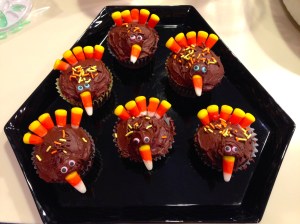 After my mom and I finished baking pumpkin and apple pies, a flourlesschocolate cake, and a pumpkin roll, my six-year-old brother decided he wanted to chip in to our Thanksgiving dessert collection too! With a little bit of help on the frosting end, he decorated his own turkey chocolate cupcakes for all the kids (with blue eyes for the boys and pink eyes for the girls of course). One of my mom’s signature dishes, and a family favorite, is her sweet potato casserole which is pictured here as well.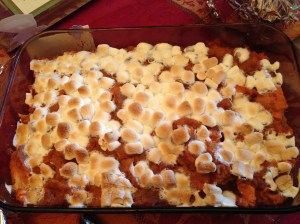
 Even on arguably the most American holiday, the Ferrantes can’t abandon their beloved pasta. No need to be alarmed, we still have turkey and all the fixings, we just save all of that for last. Every year, I look forward to the warm broth of our first course, pastina and spinach soup. This tradition has been around longer than I have, and I could not imagine our feast without it. Homemade cinnamon rolls are another favorite and staple of our Thanksgiving meal; since my mom started making them a couple years ago, the rolls have more or less become the second course of our Thanksgiving meal. They always seem to come out of the oven while my aunt is carving the turkey, so we usually devour them as we anxiously await the main course.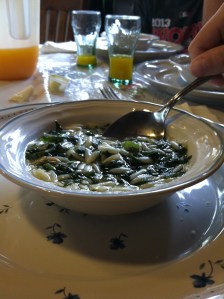
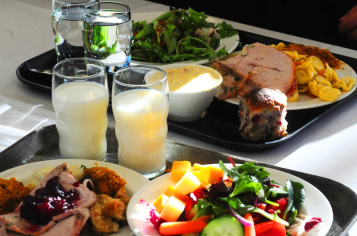
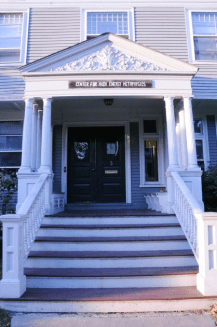 In the evening, we headed to the Dudley Co-op, which was unusually sparsely populated this Thanksgiving (only two co-opers remained on campus). We raided the leftovers fridge, rationalizing that the food would go bad anyway, and ate our fill of roasted beets, tomato-pepper hummus, sourdough bread, and homemade deep dish pizza. Later, we celebrated the end of the day with cheap champagne and roasted marshmallows and chocolate in Christine’s room in Dewolfe.
 crimsoncrave.com