Thanksgiving is easily a foodie’s favorite holiday of the year. While my day-to-day life revolves around the foods I’m eating for breakfast, lunch, and dinner, Thanksgiving is the one time of year when everyone else does the same. We begin looking into airline fares months ahead of time when making our holiday plans, and then spend at least a week or two carefully selecting Thanksgiving recipes and entering the grocery store madness just to eat together as a family.
My family sticks to the traditional foods for this annual event: turkey, stuffing, rolls, cranberry sauce, mashed potatoes, sweet potato casserole, and green beans (and a countless number of pies and other treats). Unfortunately, they don’t like straying from the recipes they’re used to either. However, after years of box-made stuffing, I decided to try out a new recipe for Thanksgiving this time around.
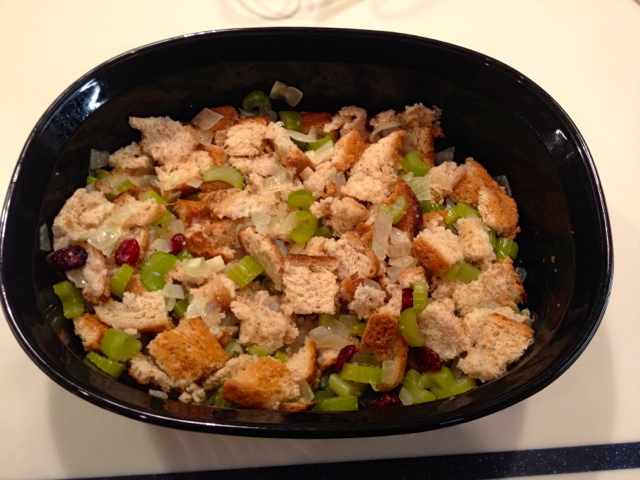
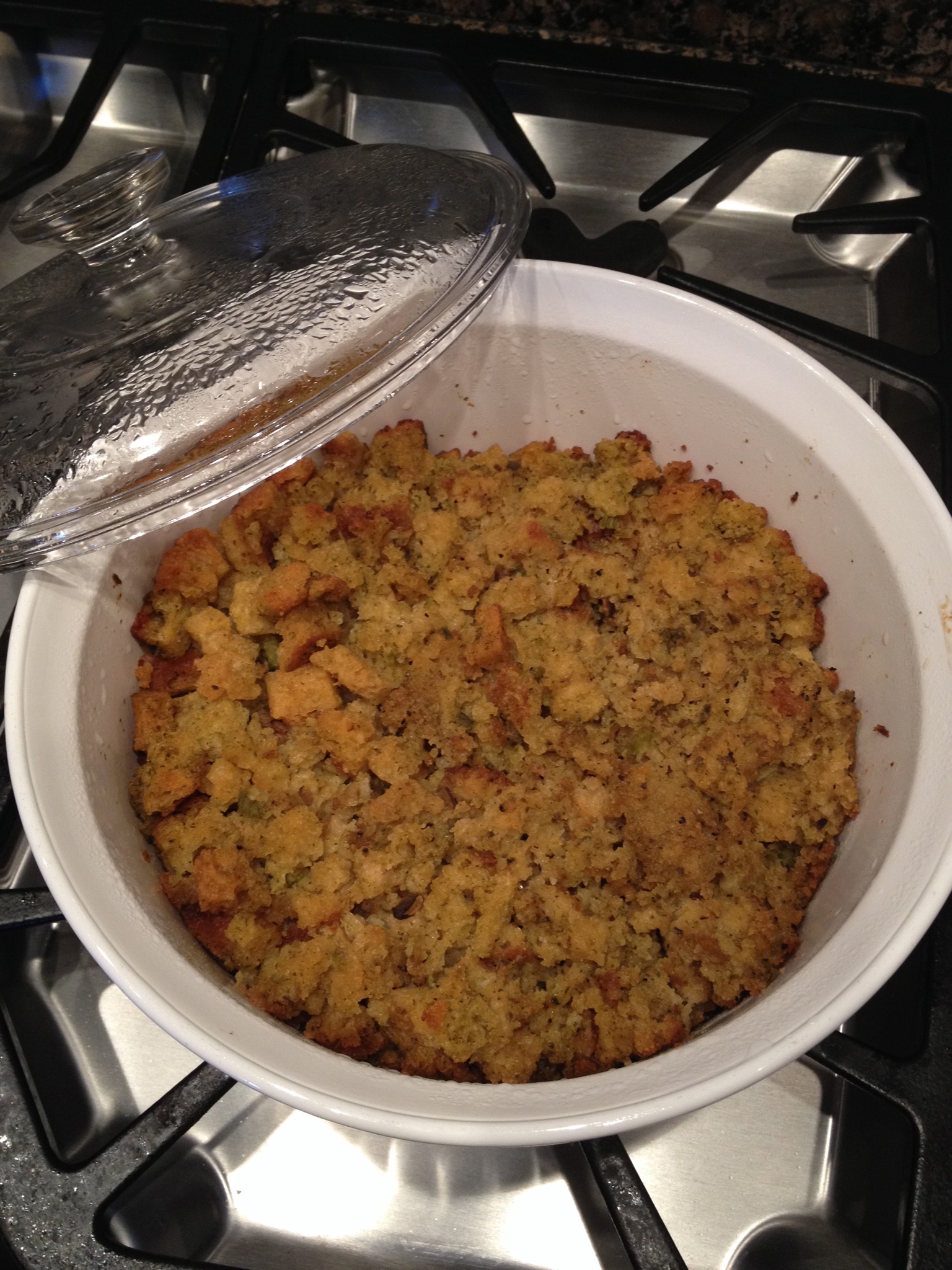
I found the recipe for “Save-the-Day Stuffing” online (a.k.a. homemade stuffing with a few healthy swaps) to lighten everyone’s plates this year. I used the typical veggies but included light bread and liquid egg substitute, and ended up with a pretty tasty addition to our household’s Thanksgiving repertoire.
Ingredients
(MAKES 5 SERVINGS)
6 slices light bread
1 cup chopped onion
1 cup chopped celery
1 cup chopped mushrooms
1 cup fat-free chicken broth, room temperature
1/4 cup fat-free liquid egg substitute
1 tbsp. light buttery spread
2 cloves garlic, finely chopped
salt, pepper, rosemary, thyme, to taste
1 oz dried cranberries (if desired)
Directions:
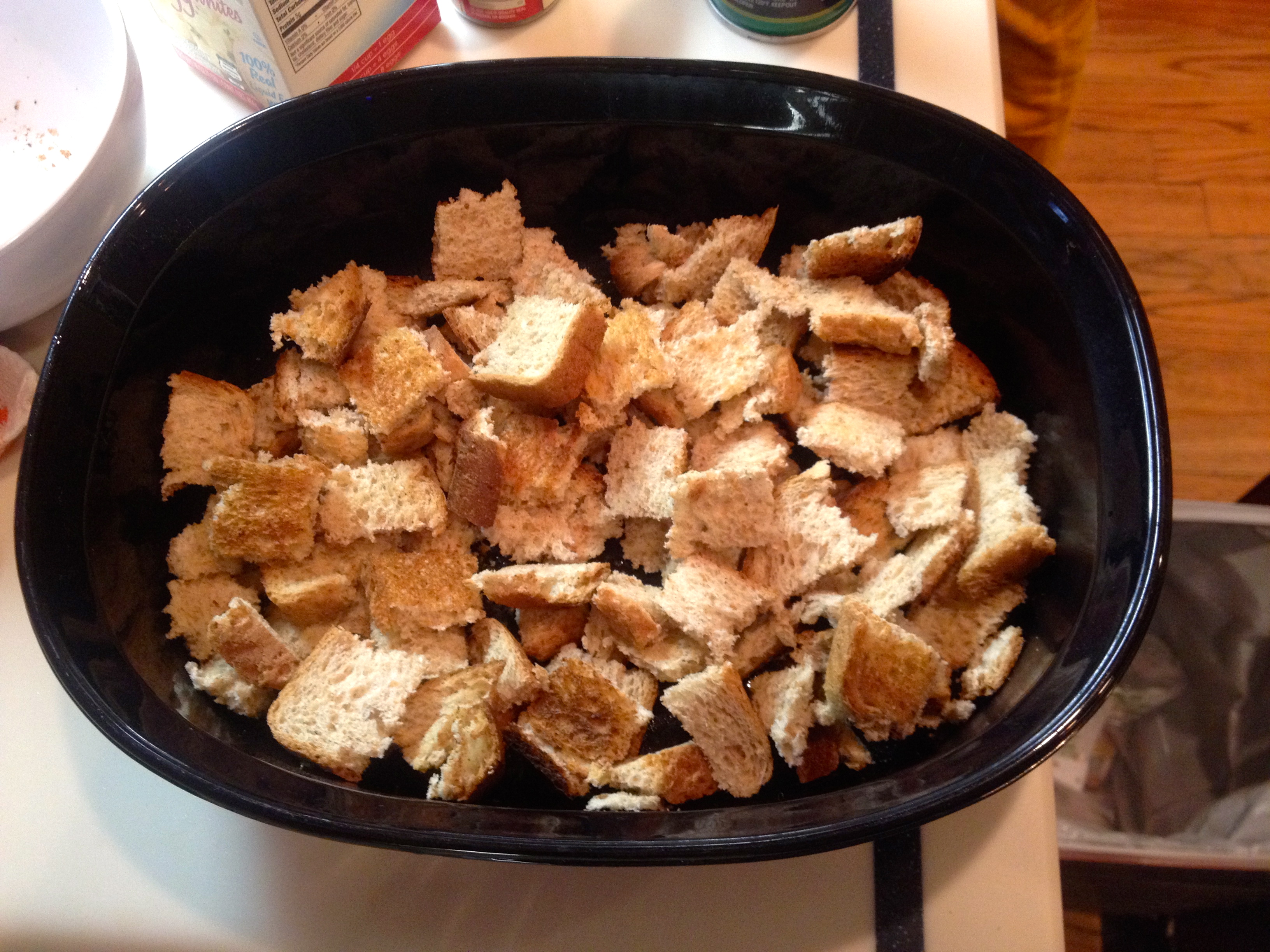
Leave bread uncovered at room temperature overnight. Otherwise, begin by lightly toasting bread.
Preheat oven to 350 degrees.
Cut bread into 1/2-inch cubes. Spray a medium baking dish with nonstick spray, and place bread cubes evenly along the bottom of the dish.
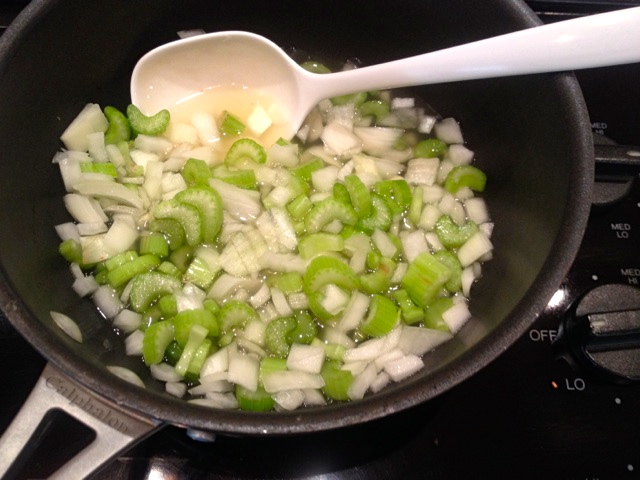
Chop up the celery and onion to prepare it for the stuffing.
In a medium pot, combine broth, celery, and onion. Cook for 8 minutes over medium heat.
Remove pot from heat, and add mushrooms and garlic. Season mixture to taste with salt, pepper, rosemary and thyme. Let cool for several minutes.
Add egg substitute and butter to veggie/broth mixture and stir. Pour mixture into the baking pan, evenly covering bread cubes. Mix gently with a fork. Bread cubes should be moist, but not saturated (if necessary, add 1 – 2 tbsp. water, and then mix again).
If desired, throw in the dried cranberries to add a sweet kick to your stuffing!
Cover with foil, and cook dish in the oven for 20 minutes.
Remove foil, and fluff and rearrange stuffing. Return dish to oven (uncovered), and cook for an additional 15 minutes.
After comparing my homemade stuffing to the boxed one we have had at our Thanksgiving table in years past, I was impressed. This version had more flavor and texture, though I admittedly added in more chicken broth than the recipe called for after noticing it looked dry before putting it in the oven.
I found the stuffing recipe, along with quite a few other holiday dishes at www.hungry-girl.com, one of my go-to websites for healthy sides, entrees, and desserts that are just as tasty as the original version, yet far more nutritious and lower in calories and fat.
Many of the Crimson Crave writers were fortunate enough to trek home for Thanksgiving break. And who wouldn’t when there’s turkey involved? Well, maybe it’s a little more than just the turkey calling us home. We decided to put this article together during our last meeting, when we realized that each of us was looking forward to our thanksgiving meal for entirely different reasons. Every family has that one dish that makes their meal special (I bet you’re thinking of yours right now), and we wanted to share ours with you. Also, like many Harvard students, some of our writers were unable to go home for the short break. In this way, we also feature in this article what our writers were eating at their Harvard home during the break.
Not to make things mushier than mashed potatoes, but we just wanted to say how thankful we are for all of our awesome readers out there who read our posts each week. We really appreciate your support as we continue to expand the blog, and we are looking to host a couple of events next semester so we can offer our readers more than just pictures of food. That’s right, real food is on the way.
Check out the blurbs below to get a little taste of our first-ever Crimson Crave Thanksgiving!
Thanksgiving wouldn’t be the same without… Tons of delicious desserts (and help from the peanut gallery!) By Orlea Miller ’16
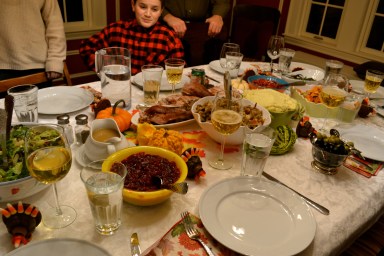
After my mom and I finished baking pumpkin and apple pies, a flourlesschocolate cake, and a pumpkin roll, my six-year-old brother decided he wanted to chip in to our Thanksgiving dessert collection too! With a little bit of help on the frosting end, he decorated his own turkey chocolate cupcakes for all the kids (with blue eyes for the boys and pink eyes for the girls of course). One of my mom’s signature dishes, and a family favorite, is her sweet potato casserole which is pictured here as well.
Thanksgiving wouldn’t be the same without… Pastina & Cinnamon Rolls By Dana Ferrante ’17
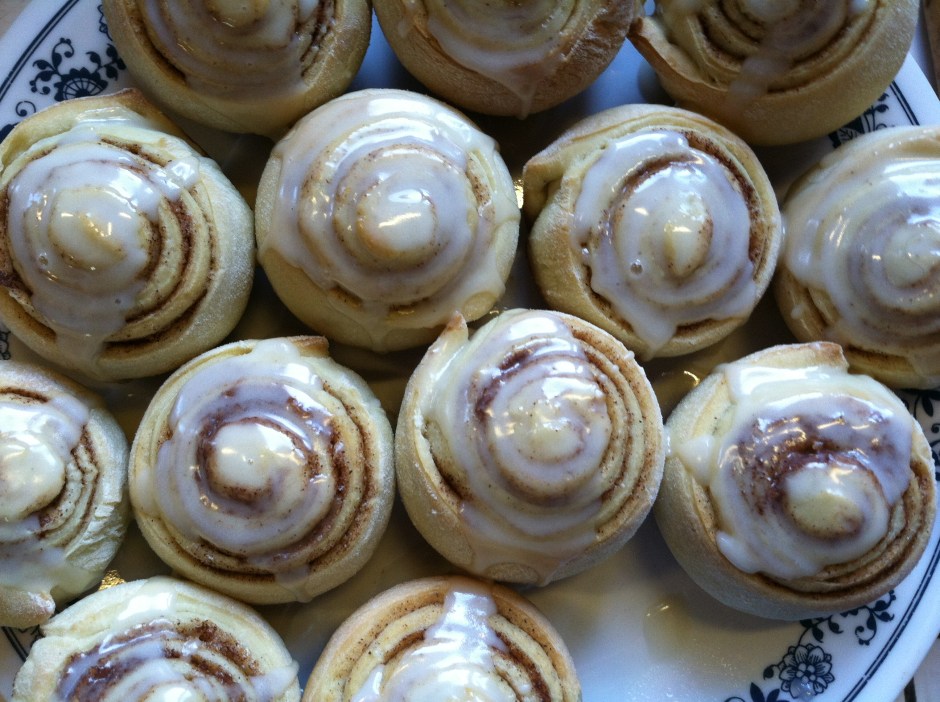
Even on arguably the most American holiday, the Ferrantes can’t abandon their beloved pasta. No need to be alarmed, we still have turkey and all the fixings, we just save all of that for last. Every year, I look forward to the warm broth of our first course, pastina and spinach soup. This tradition has been around longer than I have, and I could not imagine our feast without it. Homemade cinnamon rolls are another favorite and staple of our Thanksgiving meal; since my mom started making them a couple years ago, the rolls have more or less become the second course of our Thanksgiving meal. They always seem to come out of the oven while my aunt is carving the turkey, so we usually devour them as we anxiously await the main course.
Thanksgiving wouldn’t be the same without… Trying Something New By Caroline Gentile ’17
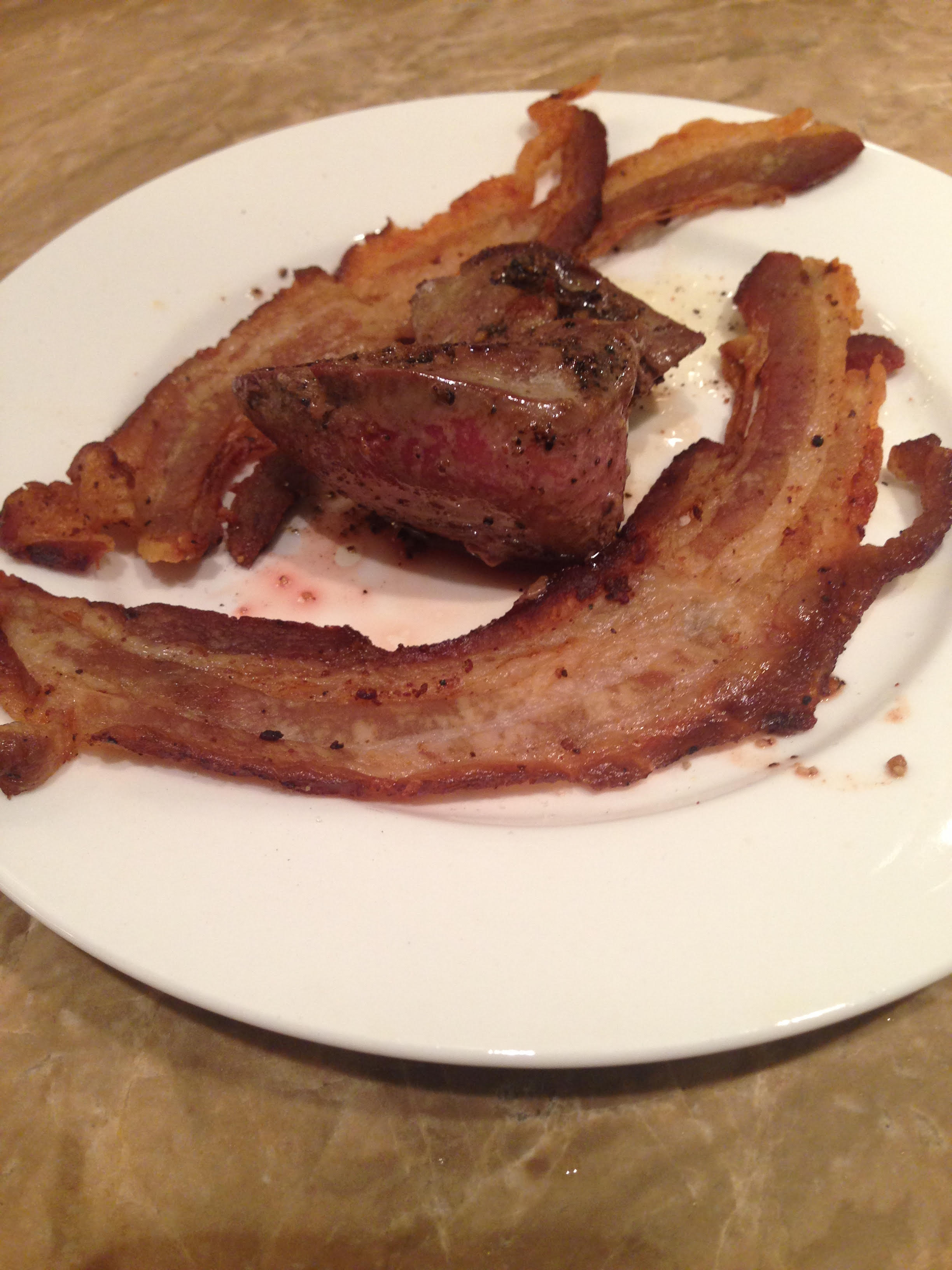
Thanksgiving wouldn’t be complete without trying something new with the turkey. In years past, my family has fried, grilled, and baked the turkey, but this time we decided that there’s more to a turkey than white meat and dark meat. This year, we experimented with the giblets! We fried up the liver of our 17lb turkey, along with some sautéed onions and bacon — and it was actually pretty good! Even my 7 year old brother and 3 year old cousin tried it and liked it…and that’s saying something!
Thanksgiving wouldn’t be the same without… Friends & Leftovers By Faye Zhang ’17
My family lives in Beijing, which makes going home for a three day break completely irrational. I would say “Hi, family,” only to immediately turn around for the seventeen hour flight home. So, I spent the long weekend in the company of friends on campus, including Katey, a friend of mine from Williams.
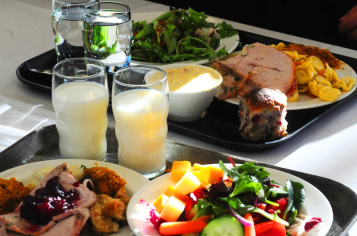
I started off the break with a five-hour-long movie marathon with my blockmate Christine. We watched all of Richard Linklater’s “Before Sunrise” series in a row. It seemed like the thing to do on Thanksgiving Eve. On Thanksgiving day, Katey and I headed to Adams House for the all-day Thanksgiving meal, which was surprisingly well done and included carved turkey, ham, plenty of breads and pies, and apple cider. My favorite part of the meal though, was probably bringing laden plates of food to Katey so she could avoid the swipe counter.
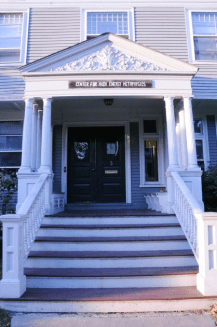
In the evening, we headed to the Dudley Co-op, which was unusually sparsely populated this Thanksgiving (only two co-opers remained on campus). We raided the leftovers fridge, rationalizing that the food would go bad anyway, and ate our fill of roasted beets, tomato-pepper hummus, sourdough bread, and homemade deep dish pizza. Later, we celebrated the end of the day with cheap champagne and roasted marshmallows and chocolate in Christine’s room in Dewolfe.
The final day of break was spent (briefly) Black Friday Shopping, wandering around the Harvard Art Museums, and letting Katey buy the obligatory cannoli from Mike’s Pastry and cookie from Insomnia. Both, she declared, were “not too bad”. This Thanksgiving was a lot of bouncing around campus and talking to people I hadn’t seen in a long time, and spending precious long hours with close friends. Often, it’s not the food that makes the holiday, but the people you eat it with.
Thanksgiving wouldn’t be the same without… Potatoes Au Gratin By Adam Wong ’17
Presenting the spread. Notice how the central location of the au gratin reflects its central importance.
There is something about lasagna-like layers of tender, thinly-sliced potatoes held together with a gooey blend of Gruyère and sharp cheddar and crowned with the eternally coveted “cheese crust” that makes me brawl with my relatives. The best part about this crispy and chewy miracle is that in just a single bite you get about 7 potato disks stuck together with creamy cheese. You know the feeling you get when you run your knuckles over a piece of corrugated cardboard? That “bumpbumpbumpbumpbump” is exactly what a bite of potatoes au gratin feels like in your mouth as you chew–and it is the most satisfying thing in the world.
Thanksgiving wouldn’t be the same without… Gluten Free Stuffing By Danielle Leavitt ’17
Waiting in line for anything during the holiday season is never any fun, but waiting a month for Trader Joe’s Gluten Free Stuffing Mix to arrive was well worth the wait. With all of the mix in the warehouse totally sold out in the first two days, I had to place my name on a waiting list. I was so excited when I finally got the call that my stuffing had come in. Stuffing makes the turkey, and the turkey makes Thanksgiving, so for those of us who eat gluten free, stuffing has never tasted so good! This savory, all-natural dish is easy to make, requiring just 6 tablespoons of butter and 3 cups of water. Trader Joe’s Gluten Free Stuffing Mix made my Orlando, Florida Thanksgiving the best yet!
Thanksgiving wouldn’t be the same without… Homemade Pasta and Way Too Much Baking By Victoria Piccione ‘16
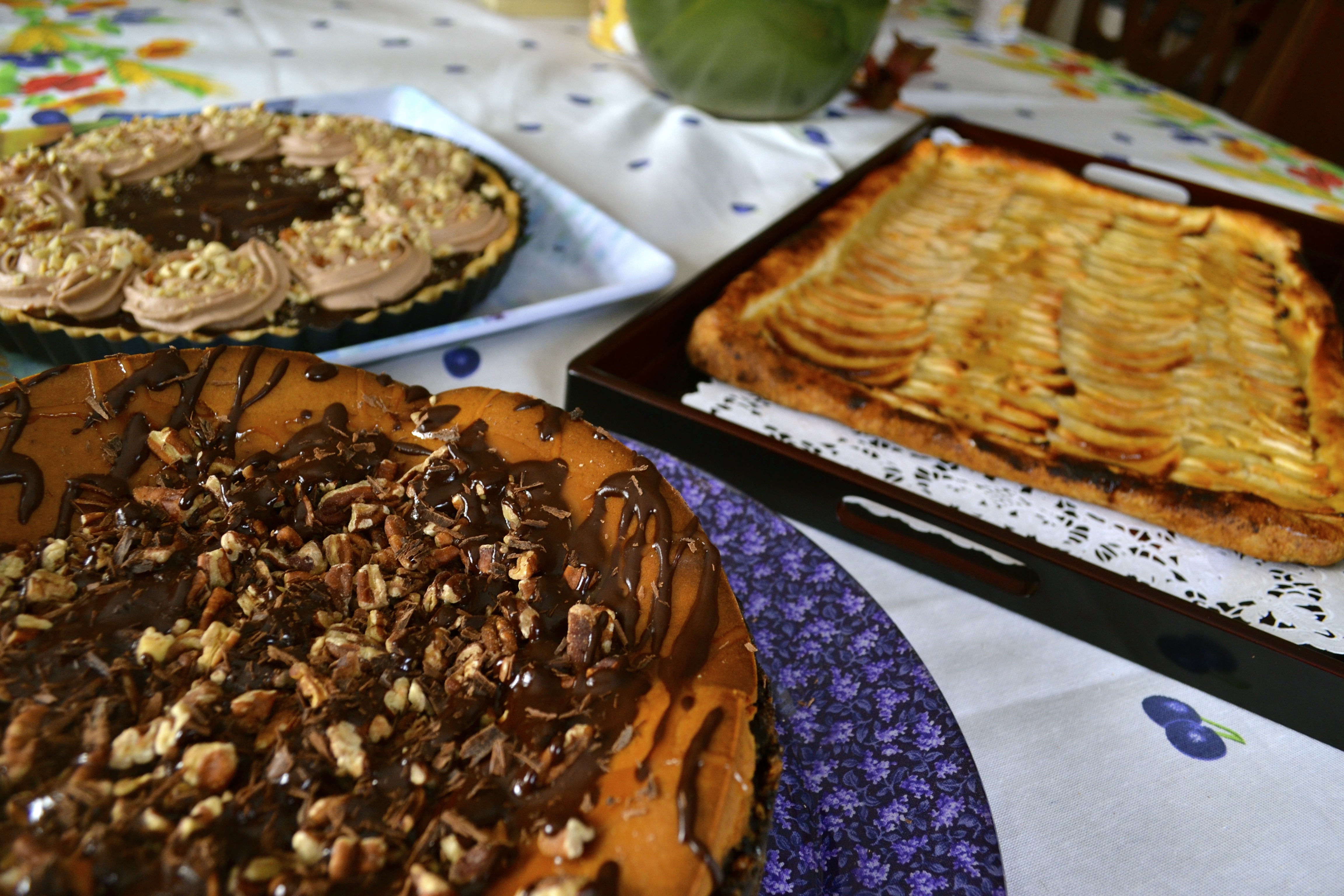
My ideal Thanksgiving would be one of only carbs: pasta, stuffing, potatoes, and desserts. Turkey is great and all, but I want to have as much room as possible for the incredible homemade manicotti that my dad makes each year. And the most-parts-bacon-some-parts-bread stuffing that my mom makes. And a piece of pumpkin turtle cheesecake, apple galette, and chocolate hazelnut tart that I spent all of Wednesday making. In the Piccione house, even an American holiday can’t escape some Italian flare, and that flare isn’t plain pasta with tomato sauce. It’s handmade manicotti, crepes with perfectly herbed ricotta-and-mozzarella filling all prepared by Papa Piccione. We usually need at least a half-hour between each course to let the pasta settle so that we can fully enjoy the traditional Thanksgiving fare! No one’s ever hungry for dessert, but that’s never stopped us from eating it anyway.
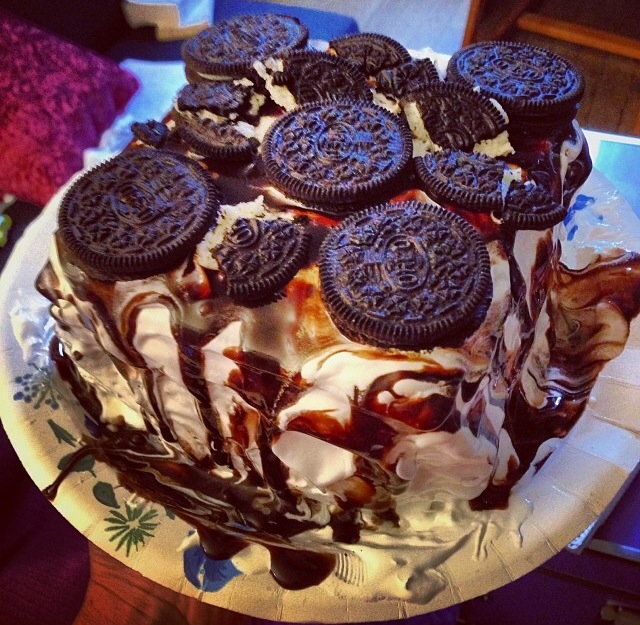
My go-to birthday present for my friends is food. More specifically, I like to give people ice cream cake. To me, there is no better food combination than ice cream and cake! While JP Licks offers delicious ice cream cakes, they tend to be on the more expensive side. Behold, a recipe for an ice cream cake for which the ingredients can all be purchased at CVS and that can be made in your very own dorm room!
You’ll need:
2 boxes of vanilla ice cream sandwiches (12 bars)
Cool whip
Oreos
Any cookie of your choice (I use Chips Ahoy)
Hershey’s chocolate sauce
A plate that will fit in your sad little dorm room freezer
A knife
Assembly:
Lay three ice cream bars next to each other on the plate. Using your knife, spread a nice, thick layer of Cool Whip over all three of the bars. The Cool Whip may be a bit hard to spread, so let it sit out at room temperature for 10-15 minutes until it becomes more spreadable. Then, on top of the cool whip, layer crumbles of Oreos and/or other cookies of your choice.
Now, for the next layer: three more ice cream bars on top of the Cool Whip/cookie crumbles. Then another layer of Cool Whip and cookie crumbles. Repeat with three more ice cream bars. Your cake should have three layers, with 9 ice cream bars. You can attempt to make a four layer cake, but this is very ambitious, and such cakes tend not to fit in the typical, Harvard-approved freezers.
Once you have assembled all of your layers, cover the whole cake in Cool Whip. On top of the cake, decorate with cookies and drizzle with chocolate sauce. Enjoy!!
It was a crazy idea, and one that was unlikely to come to fruition: my freshmen roommates and I would taste and critique General Gau’s chicken from every Chinese restaurant in the Greater Boston area.
Why General Gau’s? Well, we love it, every respectable Faux Chinese restaurant serves it, and with a calorie count upwards of 1300, it is a better nutritional deal than a big mac. For us the choice was obvious (especially for Tim– he’s an economist).
Unconcerned with fickle municipal boundaries, we decided to start off our culinary quest in our figurative backyard: The Hong Kong. Located directly outside our freshman dorm, its golden sign beckoned us to consume animal proteins and simple carbohydrates when the time for worrying about such simple matters of nutrition was naught (2am).
As I walked in, the owner looked up, and gave me a warm smile as he patted my back and sat me down at a window table as far away from the bar as possible. (I had a bit of a reputation). After being given chopsticks, playing drums with my chopsticks, and having the waiter take away my chopsticks, I was joined by my compatriots. Tim: rowing extraordinare, economics degenerate. Greg: six pack, piercing green eyes. And me, Adam Wong, waggish cavalier conspiracy inventor.
Team assembled, we quickly named our project: THE SEARCH FOR THE GREATER GAU. As fledging food bloggers, we observed our surroundings to judge the full experience of the Kong and its general Gau’s chicken.
(But first, the bathroom. It is calm, quiet, and the gentle Lysol massages your senses into catharsis. It is a pentagon– a very strong choice. As a unisex bathroom, it unfortunately lacks the convenient urinal and fortunately lacks passive aggressive sharpie graffiti.)
The water came out early and judging from the ice, condensation on the outside of the glass, and the way my teeth hurt while drinking it, the water was cold. Check plus! Knowing the importance of hydration on a crazy Friday night we downed our complimentary waters. Noticing our desperation for hydration, our waiter left a pitcher at our table, showing conscientiousness to our plight. The ice, not quite toothsome, was none the less chewable.
The ambiance is familiar: a painted relief of a Chinese mystic flying on a dragon, her hand formed in a Buddhist symbol, or more likely (judging from the tasteful Steve Miller Band playing in the background) the symbol for “rock on”.
About five minutes after we placed our fateful order, the General ambushed.
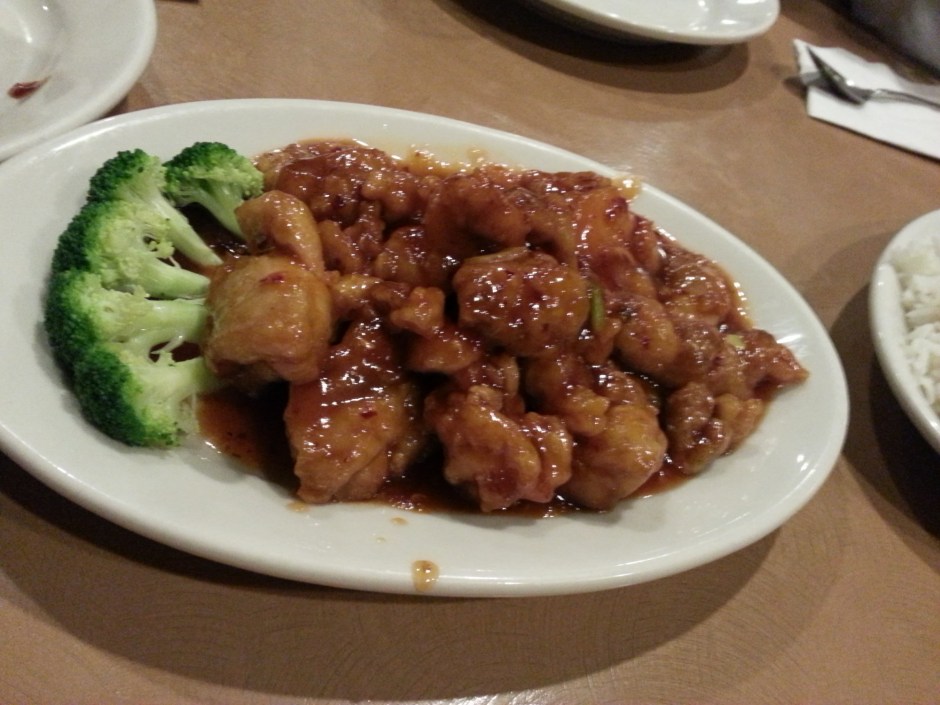
Marmalade heaps of deep-fried chicken floated onto our table. The feeling of seeing an old crush fluttered into our respective hearts. Bite-sized pieces glazed in a sweet-and-sour chili orange sauce, sprinkled with creamy white sesame seeds, and broccoli (because we are dignified, thank you very much). Each man mercilessly stabbed a piece and flung it into his gaping mouth. As the chicken came near, the characteristic sweet-and-sour smell wafted into our noses and ticked our sinuses. We put it in our mouth. It was sexy. I fully embraced the hot, sticky chicken, delighting as my teeth cut easily through the sweet, succulent meat. As the tangy orange sauce dribbled down the corner of my mouth, the sour vinegar gave way to the sweet of the sauce, and finally the savory of the chicken. I swallowed, and kept the mouth party going with a subsequent mouthful. I looked up from my mouth meditating, and saw Tim, slumped over his chair in bliss, and Greg, staring comatose into the ceiling. How could so much satisfaction come at the low price of $10.95?
Once we went into beast mode, it didn’t take long to finish the plate. There was a significant amount of the sauce left-over, which went well with the non-sticky, long-grain rice that came with the Gernal Gau’s combination plate.
The check was delivered soon after and we all received fortune cookies of the Lucky Panda brand. To our delight, the fortune cookies were delivered uncracked, unopened, and most definitely containing fortunes. Cracking the two, golden-yellowish sides in half, we put them in our mouths in such a way to avoid ingesting the paper. The cookies themselves –mildly sweet but otherwise flavorless — fragmented like chips in our mouths as we bit down on them. To our surprise, the papers had words, and to our amazement, the papers told us our fortunes. Realizing the terrible nature of predetermination, we busted the heck ‘outta there, but only after leaving a generous 20% tip.
By the time November rolls around in Cambridge, winter has arrived, ready or not. But at least the fall foods can continue, giving me the opportunity to indulge in all of the rich, creamy, delicious pumpkin treats fathomable: scones, cookies, pumpkin bars, pumpkin bread, and most importantly pumpkin pie.
With all of the holiday cooking, and the continuous eating that takes place from October through December, I like to bake healthy versions of my favorite desserts when I have the chance. If I’m sneaky enough, my family members might even enjoy the sweets I’ve made without realizing what’s inside.
I also try to find recipes with ingredients I’m likely to use in the future, preferably with items that are already at home. One of my favorites is ChocolateCoveredKatie.com, a dessert blog full of healthy pies, cakes, cookies, and single-serving desserts that can satisfy even the pickiest sweet tooth!
Last fall, I selected a healthy pumpkin pie from the blog during holiday season, and decided to replicate the mouthwatering treat a second time around. My plan is to bring the pie back to school, freeze it, and top a slice with whipped cream whenever I crave the delectable fall flavor while I’m away from a kitchen.
Ingredients:
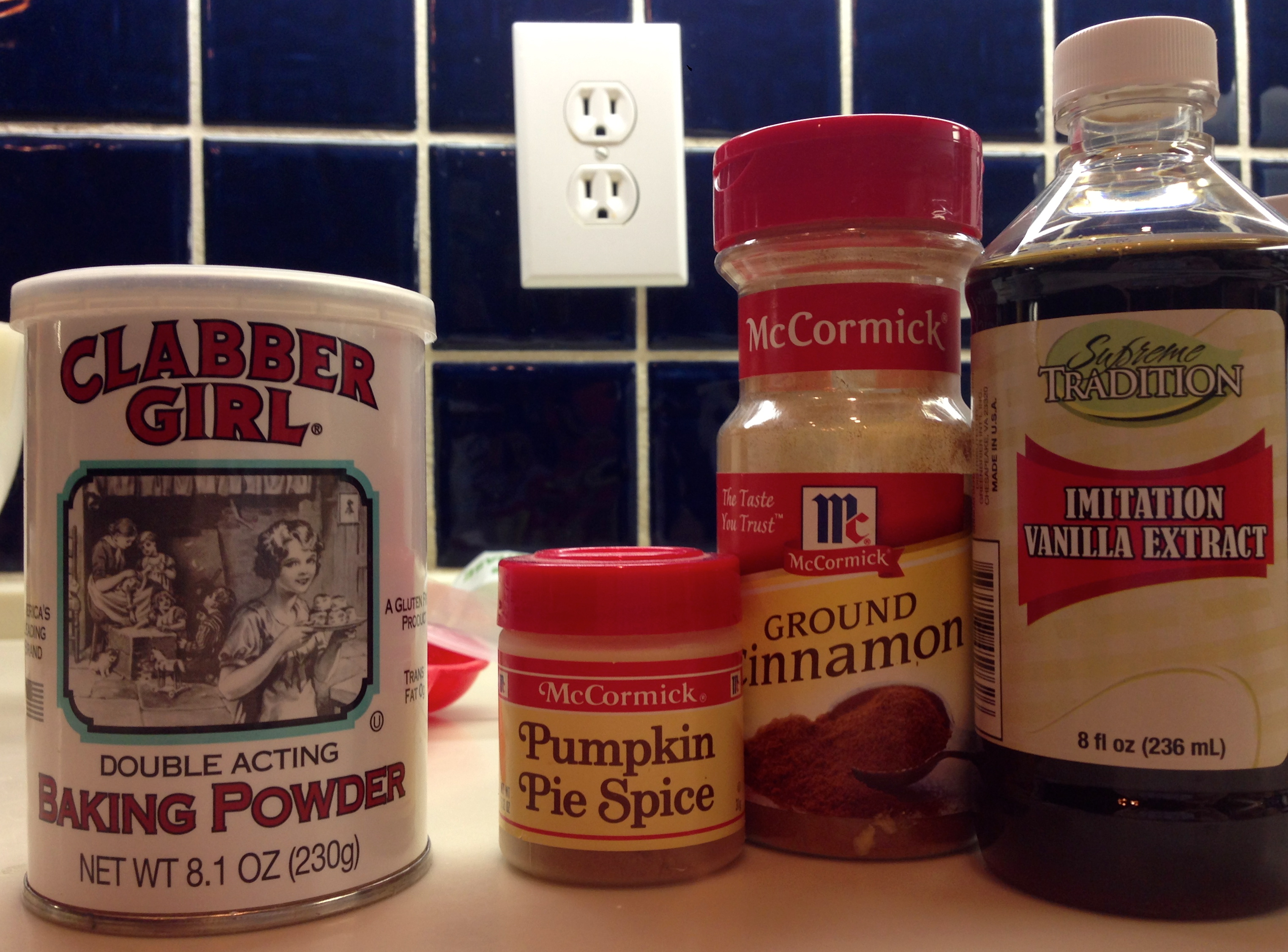
1 tsp pumpkin pie spice
2 tsp cinnamon
½ tsp salt
2 tsp baking powder
1/3 cup flour
1/3 cup xylitol or brown sugar
pinch uncut stevia or 2 extra tbsp. brown sugar
1 (15 oz.) can pumpkin puree
¾ cup plus 2 tbsp milk
2 tbsp oil, or omit and increase milk to 1 cup
1 tsp ener-g powder or 1 tbsp ground flax
2 ½ tsp pure vanilla extract
Directions
Preheat oven to 400 F, and grease a 10-inch round pan. In a large mixing bowl, combine first 7 ingredients, and stir very well.
In a separate bowl, combine all liquid ingredients with the ener-g or flax, and whisk.
Pour wet into dry, stir to combine, then pour into the pan and bake 35 minutes. (It’ll still be gooey after baking, but that’s okay.)
Allow to cool completely before transferring uncovered to the fridge to “set” for at least 6 hours before trying to slice. Each slice of this healthy take on pumpkin pie came out to about 55 calories (with an additional 25 calories per slice if the optional oil is included).
I like to take a slice out of the freezer every few days, heat it up, and top it with whipped cream or chocolate chips! My only problem is making the eight slices last until I’m home to bake again…
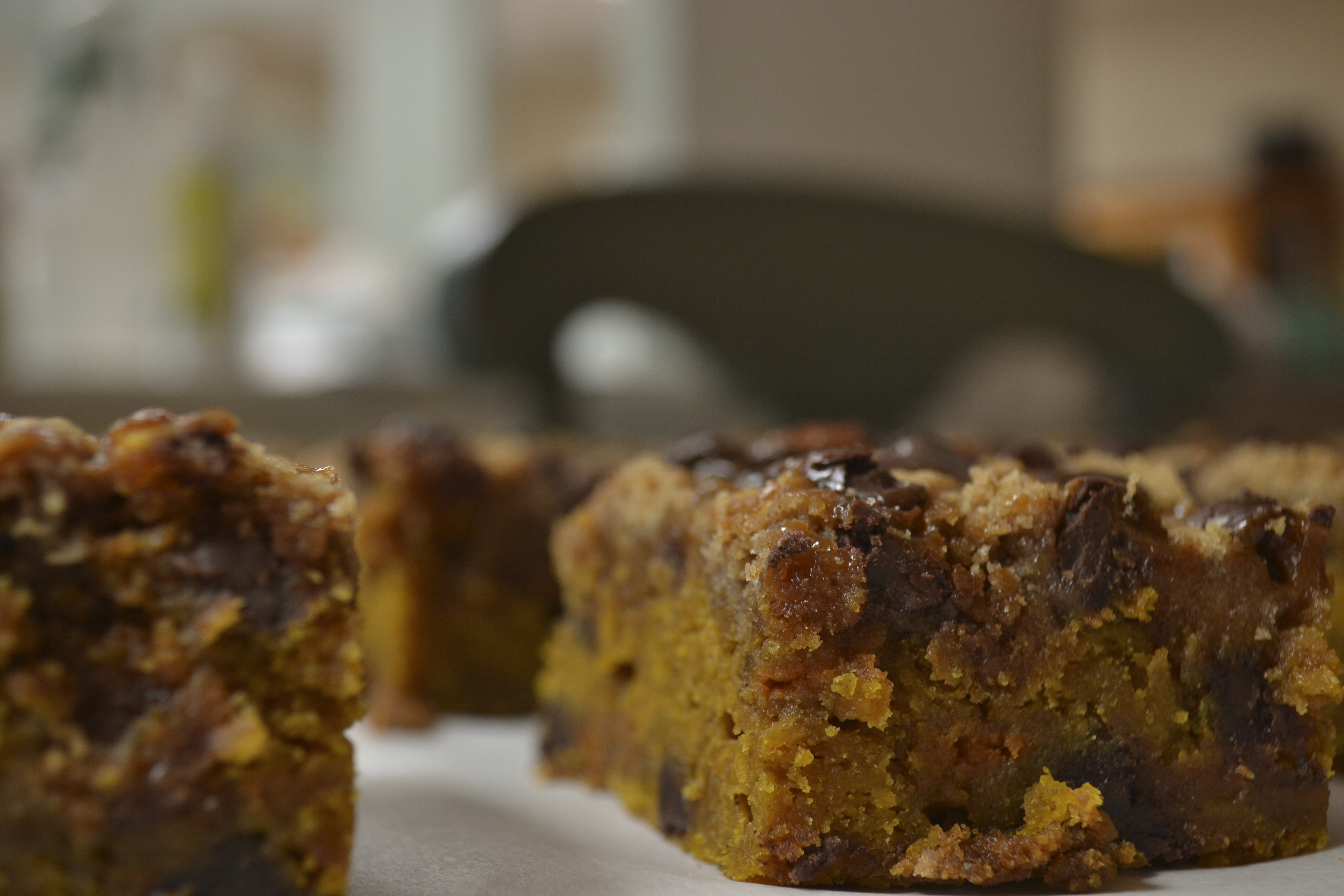
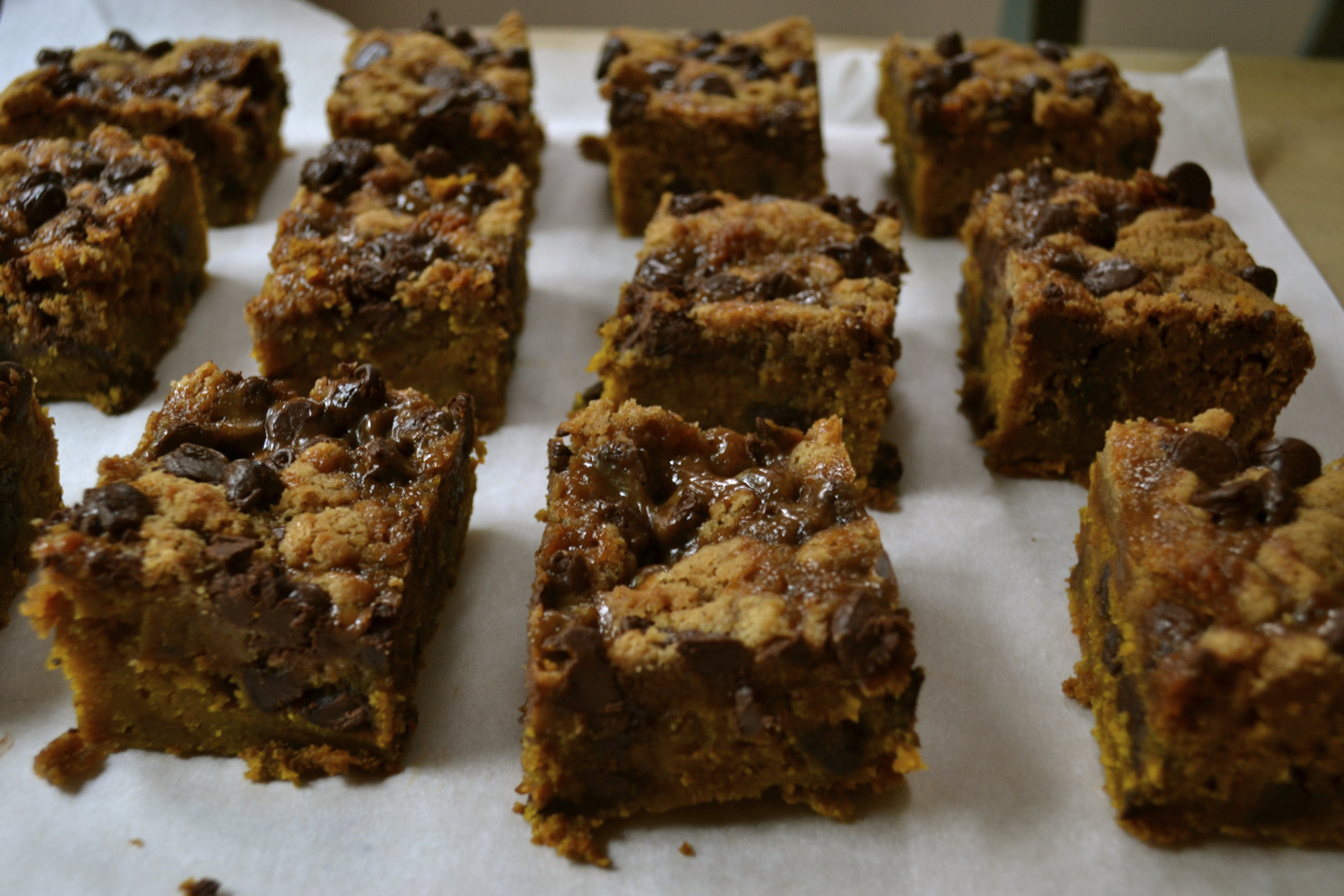
These days, one is considered “basic” if she (or he) admits to being pumpkin-obsessed. But I would argue that there is nothing basic about pumpkin. If anything, it’s one of the season’s richest flavors. It has an earthy warmth that’s just begging to be paired with chocolate. It adds spice to one’s life and eases the cruel transition out of Daylight Savings Time. And this snack cake or, more fittingly, golden bars of heaven are certainly not basic.
Last year, I made pumpkin bread nearly every three weeks, starting in October and ending in April, not because it was finally no longer winter but because I’d run out of canned pumpkin. I consider this pumpkin bread pretty much unbeatable: it’s the perfect breakfast, perfect afternoon snack, perfect dessert, perfect bedtime treat, and perfect post-exam pity food. But as someone who regularly and genuinely laments that there are far, far more recipes that exist than I can possibly try in a lifetime, I’m always aware of the need to explore new options, and an email from one of my favorite blogs instructed me on exactly where I ought to go adventuring.
When an email titled “Pumpkin Chocolate Chip Streusel Cake” arrives in your inbox, full of mouthwatering, tantalizing photos, you don’t just let it pass. You don’t simply archive it and let it disappear into the depths of cyberspace. You struggle not to lose your head until you try your hand at creating it yourself. Or at least I do. I couldn’t wait. It had started to invade my dreams.
These bars are dense. They are rich. And they are moist. They’re perfectly studded with chocolate chips, and the spices are subtle but balanced. I had some salted caramel sauce on hand from these divine apple crumb bars, so naturally I couldn’t resist adding some to the pumpkin. And inspired by the pumpkin bread that I can never get off my mind, I threw in a handful of butterscotch chips, for they bring pumpkin to the next level, in some inexplicable way.
There’s nothing particularly fancy about the cake. It’s simple, and it’s easy to whip together. While I’d still have no shame in eating a piece for breakfast, there’s definitely something about the cake that’s distinctly more dessert-like. Pumpkin pie can be polarizing – it’s sort of a love-it-or-hate-it food – but these bars fall entirely on the love-it end of the spectrum.
6 Tbs. cold unsalted butter, cut into small pieces
½ cup chocolate chips
Optional: salted caramel sauce
*When I first made this recipe, I didn’t realize it called for 1 cup of pumpkin puree rather than 1 can of pumpkin puree. The bars were still delicious (though a bit wet), but could’ve used some more spice. For a more cake-y consistency, stick to the 1 cup of pumpkin puree. I think that 1 can(which is nearly 2 cups) makes for a tasty, moist bar if you just add a dash more of cinnamon and nutmeg.
1) Preheat oven to 350°F, and butter and grease a 9” x 13” cake pan.
2) In a small bowl, whisk together the flour, cinnamon, nutmeg, baking soda and salt. Set aside.
3) In a large bowl, using an electric mixer, cream together the butter and sugars. Beat in the egg and vanilla until combined. Add the pumpkin puree, reduce the speed to low and gradually add the flour mixture until just combined. Fold in the chocolate chips. Evenly spread the batter in the prepared pan.
4) Pour about a half-cup of salted caramel sauce over the batter, swirling it into the batter. Smooth over with a rubber spatula.
5) For the streusel, combine the flour, brown sugar, and cinnamon in a medium bowl. Using your fingertips or a fork, add the butter, working it into the dry ingredients until the mixture is crumbly. Sprinkle the streusel over the top of the cake, then top with chocolate chips and drizzle with salted caramel sauce.
6) Bake in the preheated oven for about 35-40 minutes or until the sides pull away from the pan and a toothpick comes out clean – there may be some streaks of melted chocolate. Let cool completely on a wire rack. Enjoy – serving with an additional drizzle of salted caramel sauce to be extra indulgent!
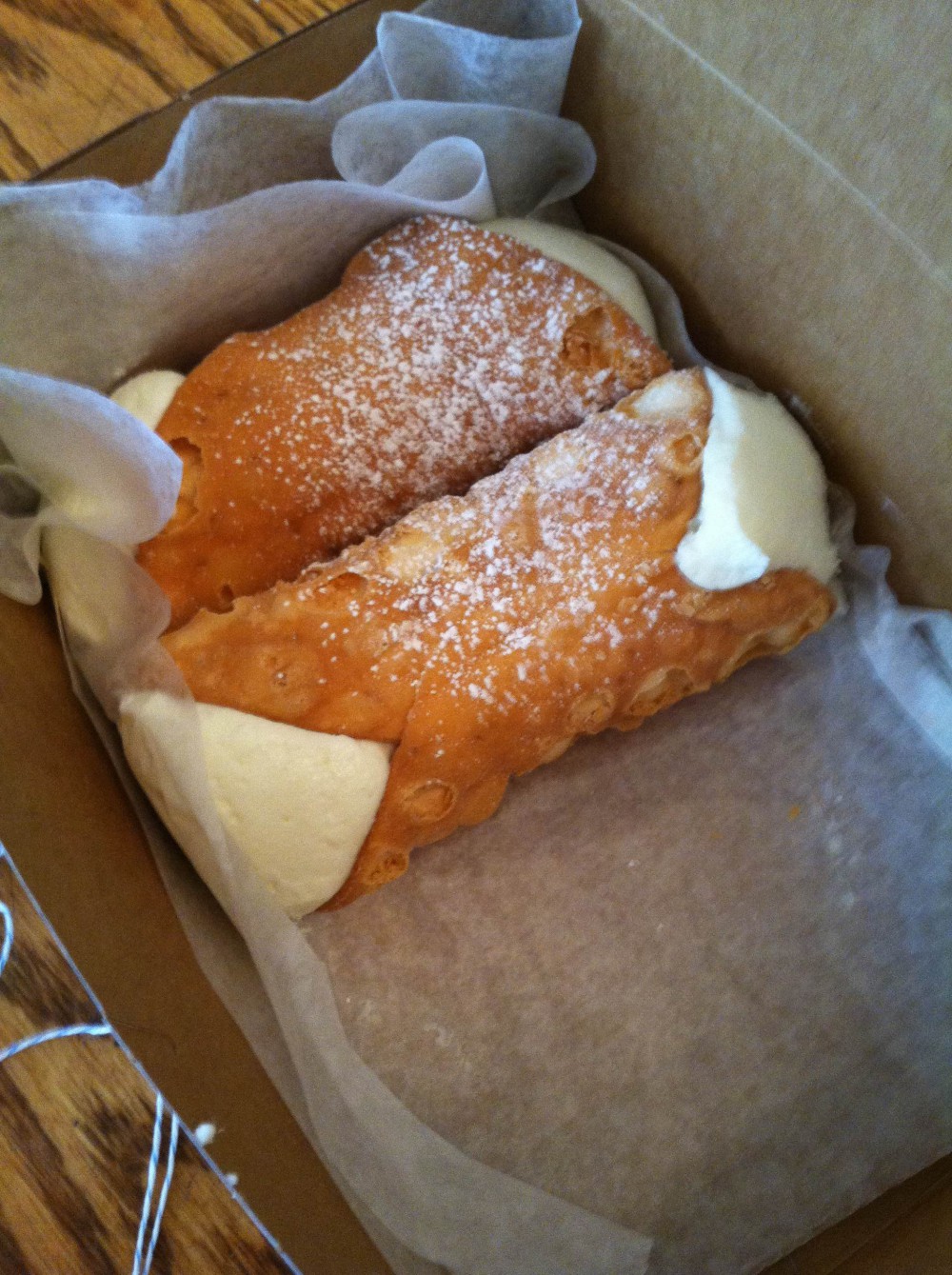
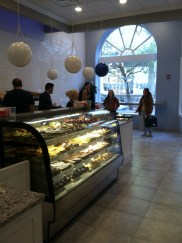
It’s true. Mike’s Pastry, in all its powdered-sugar-sprinkled, ricotta-filled goodness, has finally opened in Harvard Square. With the interior not quite done, Mike’s opened today unannounced, boasting only the spotless glass cases filled with pastries of all kinds and the smooth granite countertops. But really, what else could you possibly need?
Mike’s Pastry has been open in the North End (basically Boston’s Little Italy) for almost 62 years now. The new satellite shop in Harvard Square will receive deliveries of all sorts of pastries (lobster tails, tiramisu, and empty cannoli shells that will be filled to order) from the main bakery in the North End each morning. To finish off the exciting Italian-American immigration to Harvard Square, the new shop will also offer coffee drinks, including espresso and cappuccino.
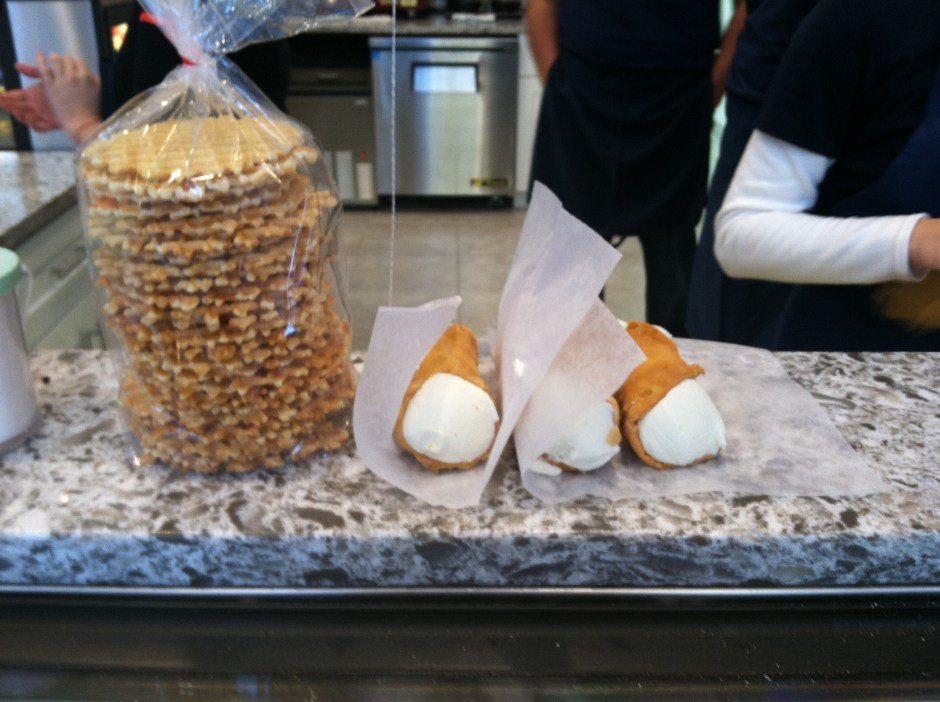
For my first Mike’s run of the semester, I thought I would stick to the basics: cannoli and pizzelle.
The basics: Pizzelle and Cannoli.
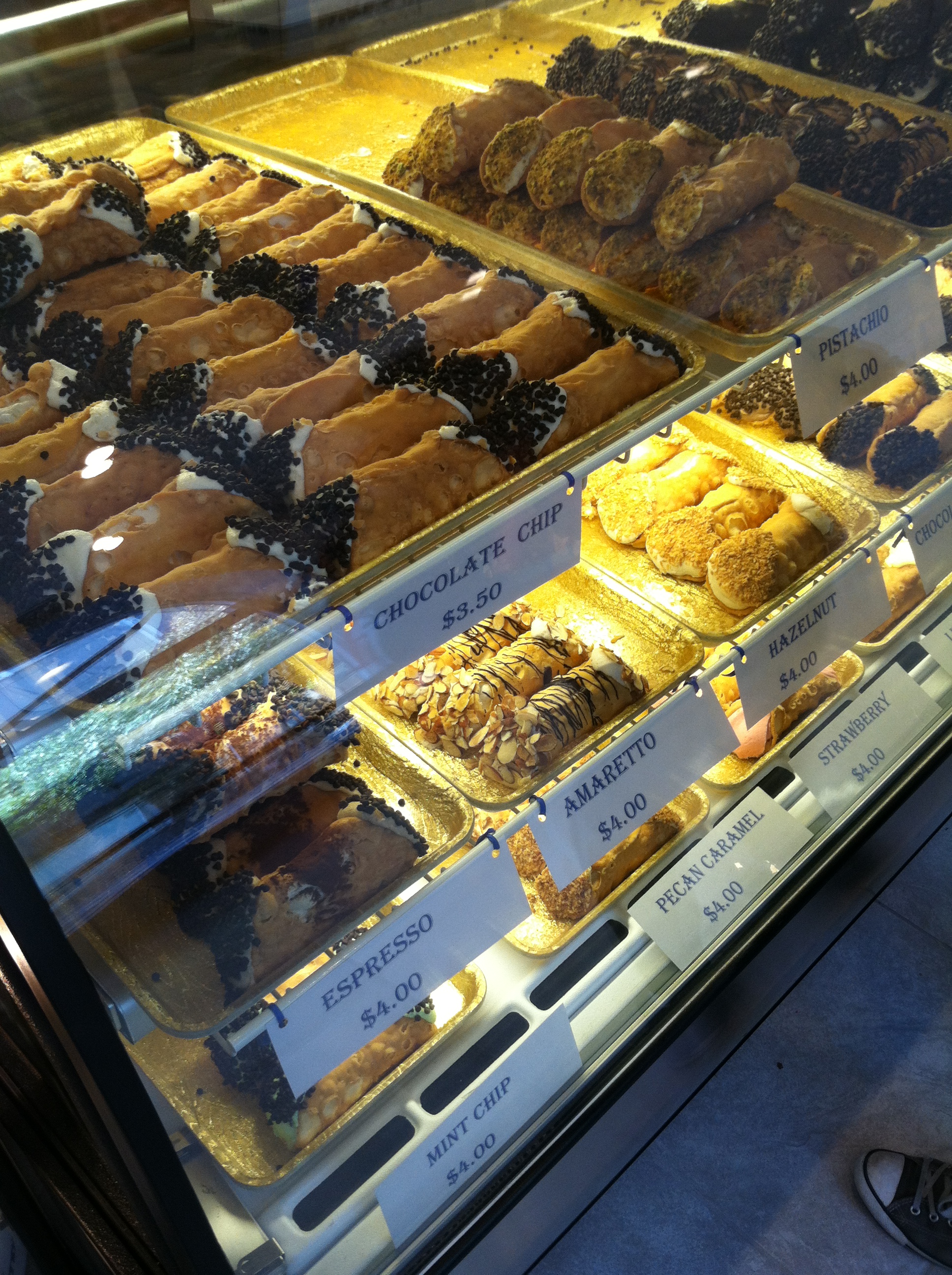
Unlike most bakeries in the North End, Mike’s Pastry fries its own cannoli shells seven days a week. For anyone who has ever bitten into a disappointingly stale cannoli shell, Mike’s fresh, light, and generally larger shells, are nothing short of salvation. It may just be a matter of personal preference, but there’s really nothing like a ricotta-filled cannoli with a plain shell. An oreo or strawberry cannoli may seem tempting, but these are purely Americanized versions of an Italian classic– a classic, which I believe (some people say a little too obstinately) is perfect, and most delicious, in its original form.
For the time being, the shop will open from 8am to 10pm each day, but as the manager explained, “we have already heard from a lot of students that Saturday night is going to be very busy.” He went on to explain how the current hours are soft, meaning if there seems to be a high-demand for cannoli late at night, the shop will change its hours accordingly. Something tells me that late-night Mike’s will soon become the next big thing on Harvard’s campus.
The word is out: Santouka, a Japan based ramen chain, is opening within smelling distance of the Harvard Inn and Wigglesworth. Lucky for them too, because by the beginning of second semester, the new ramen joint will be cooking up the kingpin of modern Japanese cuisine–complete with rich and savory broth, tender simmered pork, and mouthfuls of long wheat noodles. This ain’t your supermarket’s “chicken flavor top ramen”. This is the ramen big leagues.
Traditional ramen, the granddaddy of instant ramen, is a broth and noodle soup with incredible regional variety from all over Japan. The broth can range from the light and refreshing clear broth of Yokohama, to the bolder and fragrant miso ramen of the north, to the deep and rich flavor of Tonkotsu broth from Kyushu made by stewing flavorful pork meat and bones for hours. The broth is paired with long strands of springy and toothsome noodles, set in a deep bowl with garnishing of spring onions, crunchy bamboo root and roasted seaweed. Placed on top, like a champion on a pedestal, is the pork. Ahh, sweet pork. Melt-in-your-mouth, coat-your-tongue, holy-crap-I-just-had-an-out-of-body-experience: pork. Put together these ingredients and you’ll get a team more potent than a Harvard Class of 20XX flame war.
The promised land.
I think I am not alone when I say that I am very excited for this addition to the Harvard food scene. It will add versatility to the late night grub grab. As delicious and timeless as Noch’s, Felipe’s, and Tasty Burger are, thepizza-burrito-burger trio loses a little spark after the fifth weekend in a row. Ramen provides something new. Yes, yes, eating ramen is a religious experience, but you can just get that in RELIGION 2541: Religious Experience Seminar. What’s the real value of ramen in our everyday, conveniently located lives?
Imagine this: Late night. Getting back from that party in Mather. You know it’s a long walk, and that’s why you hate how cold it is outside. All that raging has built up into a raging appetite. You want food. You want warm. You want to walk into a room heated and scented by the rolling boil rich broth. You want to chew on noodles and slurp down just a good soup and have it radiate its warmth through your body as it finds a home in your belly. You want ramen.
Ramen won its fame in the bustle of Japanese metropolises for its convenience, affordability, and flavor. It will do the same here at Harvard. While it is true that ramen exists in our general proximity, it is still neither has the convenience or affordability that it is meant to have. Wagamama, which has ramen as a side show in its pan Asian menu offers a bowl at the pricey 15 dollars a pop. The next closest ramen place is Yume Wo Katare in Porter Square authentic as it is, but nobody is going to causally jump on the T to go to Porter after partying in Mather. Santouka is our best, and only, hope.
Let me end with a quote from the CEO of Santouka on ramen. Surprised to see the only ramen options for Harvard students were as expensive as $15, he said, “It should be a cheap comfort food for you to have with a beer after a long day.”*
This guy gets us.
(*If you don’t believe me, you can see it here for yourself.)
It’s where you eat; where you do homework; where you procrastinate. The place where you always end up eating inordinate amounts of honey butter on Sunday nights; the place where you can always find at least one of your blockmates.
Yes, I’m talking about the dining halld-hall. (Let’s be honest, we don’t have time to say the entire phrase.)
But, there are some things about the d-hall you should have time for. Some of these things may be obvious, others not so much. Nonetheless, in the name(s) of sustainability, accountability, and community…
Here are FOUR things you can do EVERYDAY to make our dining hall a better place (If you want to be lazy, just read the bolded sections):
#1 S.O.S
In other words, SAVE OUR SPOONS (and all other silverware and dishes for that matter).
As the school year goes on, plates, glasses, bowls, and silverware magically disappear. Of course accidents happen and things get broken, but when you lose HUNDREDS OF SPOONS in one year, it really makes you wonder where the spoons have gone. In the end, it doesn’t matter where they are going, but the fact that d-hall kitchen has to spend (read: waste) money every year getting new dishware. Whether you care about money, sustainability, or both, it’s clear that disappearing dishware isn’t helping anyone. So here’s my plea to you:
DON’T TAKE THE SPOONS/GLASSES/BOWLS/etc. OUT OF THE D-HALL. You probably have better things to stack up in your bookshelf anyways.
If you do take something….BRING IT BACK. There is no shame in bringing something back to where it belongs. Gold stars for anyone who does.
NEVER, under ANY circumstances throw out the plates & spoons. JUST BRING THEM BACK!That’s honestly downright wasteful. I’d rather you bring back a year’s worth of plates in May than never bring them back at all.
#2 SWIPE EVERY TIME YOU EAT
Unless it’s brain break when swiping isn’t necessary, it is EXTREMELY important that you swipe at every meal. We’ve all seen that sign on the checker’s desk (at least subconsciously), and we know we should… but do we really have to? Yes. Here’s why:
Swiping helps HUDS know when to have food ready and how much they’ll need. If there is a rush every night at 6:15, HUDS will be ready and armed with red-spice chicken for all only if they know how many people to expect at dinner. By using the swiping data from previous weeks, HUDS can make your red-spice dreams come true. Therefore, swiping helps HUDS, which in turn, helps us.
Swiping also allocates money to the house kitchen. In other words, each time someone swipes, a certain dollar amount from the giant HUDS fund is to your house kitchen. If a lot of food is taken, but only a few people swipe, there will be a huge discrepancy in the numbers. By swiping, we do our part in making sure our d-hall is making ends meet.
#3 Use trays & dishware sparingly.
This doesn’t mean go tray-less, nor does it mean you should always use a tray. Here’s an outline of the best case scenario:
You’re getting dinner with your blockmate, Bob. Instead of each getting your own tray, Bob gets a tray and you don’t. Both of you enjoy your Friday afternoon clam chowdah. When you are done eating, you pile everything onto Bob’s tray and send it down the conveyor belt. Water is saved, and everyone lives happily ever after.
Why you and your blockmate Bob deserve a gold star:
By using one tray, you do two things.
You save water, since now only one tray has to be washed instead of one.
You save the conveyor belt from potential damage. Part of the reason why we have trays in the d-hall is to prevent silverware from falling onto the conveyor belt, getting stuck, and breaking the belt. Of course, if one section of the belt isn’t working, everything comes to a halt, causing problem for HUDS staff and students alike. For this reason, going trayless is not the answer, but using them efficiently is.
On this same topic, consider taking one glass instead of three. If you have to get up to get a refill, it’s really not the end of the world. Once again, reducing your usage of cups, plates, and silverware helps reduce the amount of water used to clean the dishes; one less glass a day can make a big difference over time. At the same time, if you are planning to stay in the dining hall for a bit, there is no reason to use the disposable cups and silverware. When dining in, reusable items should always be your first choice.
#4 Remember: the d-hall is a COMMUNITY
You live in the best house on campus; let’s keep it that way.
Don’t take a bag of bagels when brain break starts at 9pm, leaving your peers bagel-less. That’s just not cool.
So you hate what’s on the menu for dinner every Saturday night? Well, that just happens to be Bob’s favorite meal of the week. It is HUDS’ job to meet the MAJORITY taste at every meal, so please be patient if your favorites aren’t on the menu every night.
We all are a part of this community, which is why we all have the chance to let our voices be heard. HUDS loves feedback. If you want change, it’s up to you to fill out the HUDS survey each semester or submit a feedback card. Real humans read every comment students make, and it is only through voicing your opinion that changes can be made.
While other d-hall issues are going to take a little more time to tackle, (i.e. getting more recycling bins, how to avoid the chaotic pile of dishes and glasses during brain break), these are a few simple things that everybody can do to make their d-hall the best (and most sustainable) one on campus.
If you have any questions/suggestions/concerns, feel free to reach out to me (danaferrante@college.harvard.edu) or the FLP Fellow for your house. We are here to help relay your ideas to Food Literacy Project, HUDS and beyond!
From the time I first peered over the stove at my mother’s hand deftly flipping eggs, tomatoes, and rice, to a year spent living and cooking solo on meager means, I’ve grown to appreciate—nay, love—the wonders of the wok.
The wok, an English label, is a misnomer. In Mandarin Chinese, the wok is known as a “guō”. In Indonesia it is known as a “penggorengan” or “wajan”. In Malaysia a small wok is called a “kuali”, and a big wok “kawah”. In the Philippines it is known as a “kawali” or a “wadjang”. In Japan, “chūkanabe”. In India, ”cheena chatti” (literally, “Chinese pot”) or “karahi”.
No matter its name, size, or country of origin, the wok varies little: a round-bottomed, cast iron pan attached to a long wooden handle. According to legend, woks originated during Chinese military marches, when soldiers gave their war helmets a double role as cooking vessels over campfires. Perhaps “double” is too limiting. The wok serves nearly any purpose: boiling, braising, deep-frying, roasting, smoking, searing, steaming, stewing, and its most well known use, stir-frying.
With a wok, one never struggles to remove charred bits of food that stick to the bottom of a pan and refuse to budge. The cast iron material and round shape allows a spatula, or traditionally, a set of long wooden chopsticks, to chase down every particle and douse it with seasoning. Food sticking to the pan is no matter at all: the wise cook prizes the caramelized layers of past flavors, each of them lending mysterious savor to each new dish.
With a flick of a chopstick, the sizzling food slides over a steaming bed of rice to finish the dish. In my case, food often never left the wok—the round pan serves as a perfect, albeit hot, bowl. No use complaining, though. The wok was built for heat; perfect for cooking over a traditional pit-style stove filled with smoldering coal or wood. Fire would lick the iron rim, creating 180 degrees of perfect thermal conduction.
Modern stovetops, such as flat electric stovetop surfaces, have led to the creation of frying pans attempting to pass as flat-bottomed woks. Heavy cast iron has been substituted for lightweight stainless steel. Wooden handles have been replaced by smooth rubber. The Presto 5900, a stainless steel electric automatic wok, essentially cooks by itself.
And yet, food made in these modern contraptions somehow tastes off. Broccoli has no bite, meat is tepid, stews lack depth. Perhaps it’s the relentless cleanliness and efficiency; modern woks scrubbed clean after each use never get the chance to accumulate flavor history. There is a Chinese dish called “guō-tie”, potstickers—a clever use for leftover dumplings made in huge and un-finishable quantities during holidays. To make them, day-old dumplings are dumped into a hot wok, doused with oil, and left to sizzle. They’re called potstickers because, while the innards simmer, the thin dumpling skin sticks to the wok and fries to a crispy, salty-sweet crust.
Guō-tie is impossible to get right on stainless steel. One bite proves why: the blackened dumpling rim which envelopes a release of savory juice can only be created by a properly aged wok—the kind passed down from ancestors, full of browned, crusty memories.



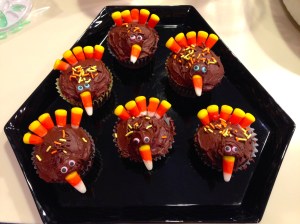 After my mom and I finished baking pumpkin and apple pies, a flourlesschocolate cake, and a pumpkin roll, my six-year-old brother decided he wanted to chip in to our Thanksgiving dessert collection too! With a little bit of help on the frosting end, he decorated his own turkey chocolate cupcakes for all the kids (with blue eyes for the boys and pink eyes for the girls of course). One of my mom’s signature dishes, and a family favorite, is her sweet potato casserole which is pictured here as well.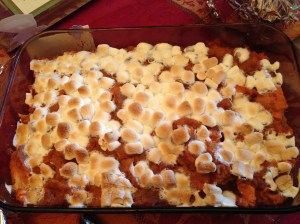
 Even on arguably the most American holiday, the Ferrantes can’t abandon their beloved pasta. No need to be alarmed, we still have turkey and all the fixings, we just save all of that for last. Every year, I look forward to the warm broth of our first course, pastina and spinach soup. This tradition has been around longer than I have, and I could not imagine our feast without it. Homemade cinnamon rolls are another favorite and staple of our Thanksgiving meal; since my mom started making them a couple years ago, the rolls have more or less become the second course of our Thanksgiving meal. They always seem to come out of the oven while my aunt is carving the turkey, so we usually devour them as we anxiously await the main course.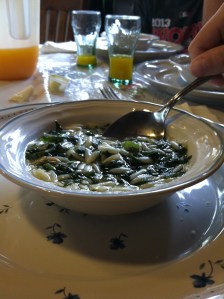
 In the evening, we headed to the Dudley Co-op, which was unusually sparsely populated this Thanksgiving (only two co-opers remained on campus). We raided the leftovers fridge, rationalizing that the food would go bad anyway, and ate our fill of roasted beets, tomato-pepper hummus, sourdough bread, and homemade deep dish pizza. Later, we celebrated the end of the day with cheap champagne and roasted marshmallows and chocolate in Christine’s room in Dewolfe.




 s been open in the North End (basically Boston’s Little Italy) for almost 62 years now. The new satellite shop in Harvard Square will receive deliveries of all sorts of pastries (lobster tails, tiramisu, and empty cannoli shells that will be filled to order) from the main bakery in the North End each morning. To finish off the exciting Italian-American immigration to Harvard Square, the new shop will also offer coffee drinks, including espresso and cappuccino.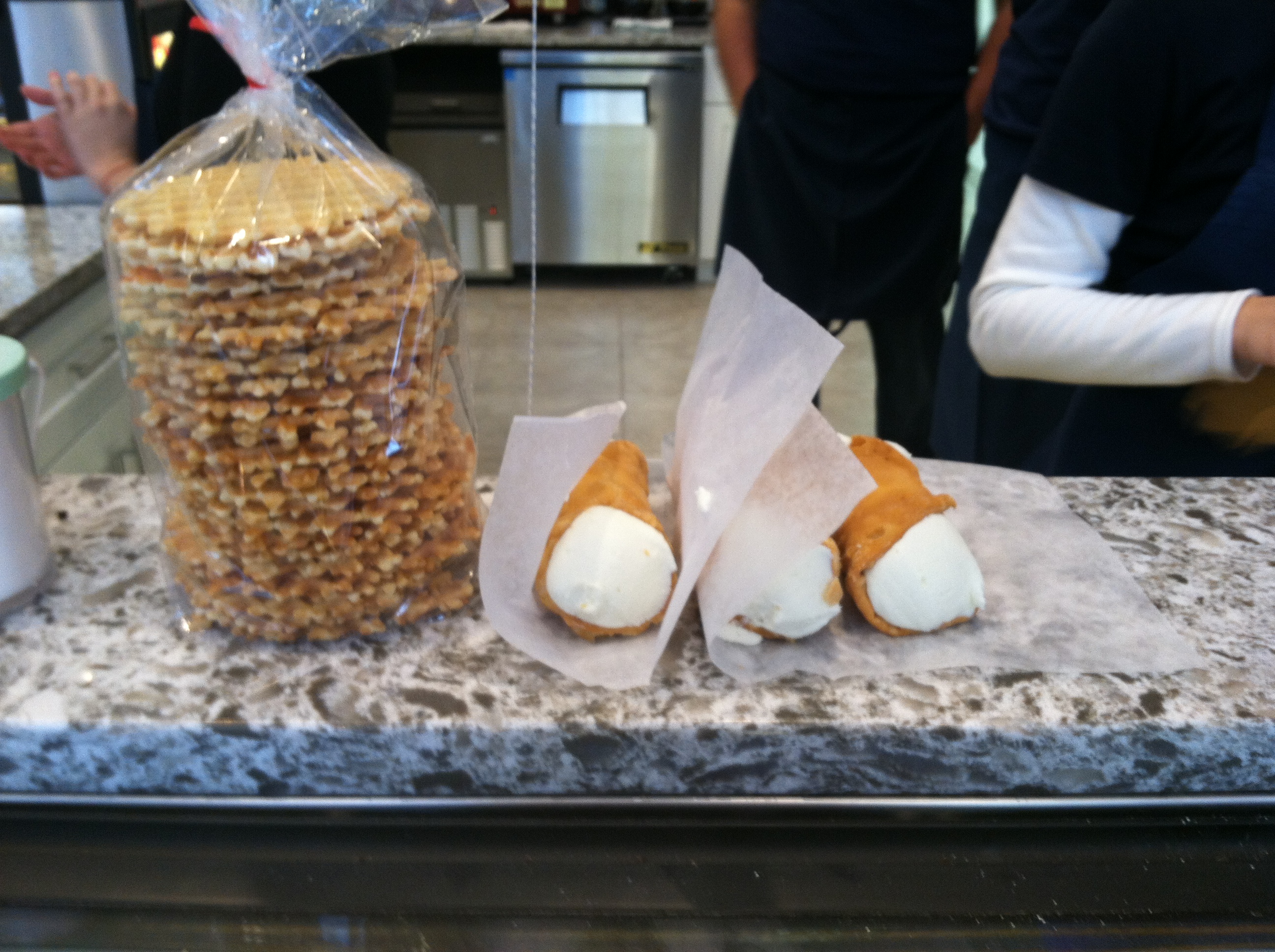


 crimsoncrave.com